Myria Wallet: Bridging the World of Gaming and Digital Assets

A seamless bridge between traditional gaming rewards and blockchain assets to make the "Power of Play" accessible to everyone.

Myria Wallet enhances the "power of play" by giving users the ability to transfer both crypto assets and NFTs between addresses and GameFi users. Letting players take in-game achievements into a digital economy.

The platform allows gamers to interact directly with NFT assets and reward tokens earned through gameplay. These assets can be traded easily through a built-in swap bridge or shared with others using a simple sending feature, making the complex world of blockchain feel like a natural part of the gaming experience.

Role

Product Designer

Client

Myria

Duration

2 weeks

Website

Year

2022
Quick Read
Full Case Study

Problems Identified And Approach Taken

The core challenge was that most blockchain tools were too technical for the average gamer, creating a "Crypto Wall" that stopped players from using their rewards. To solve this, I conducted user interviews and competitor audits to identify the biggest friction points, specifically the lack of clear transaction feedback and the difficulty of moving assets across different chains.

The Central Command Dashboard

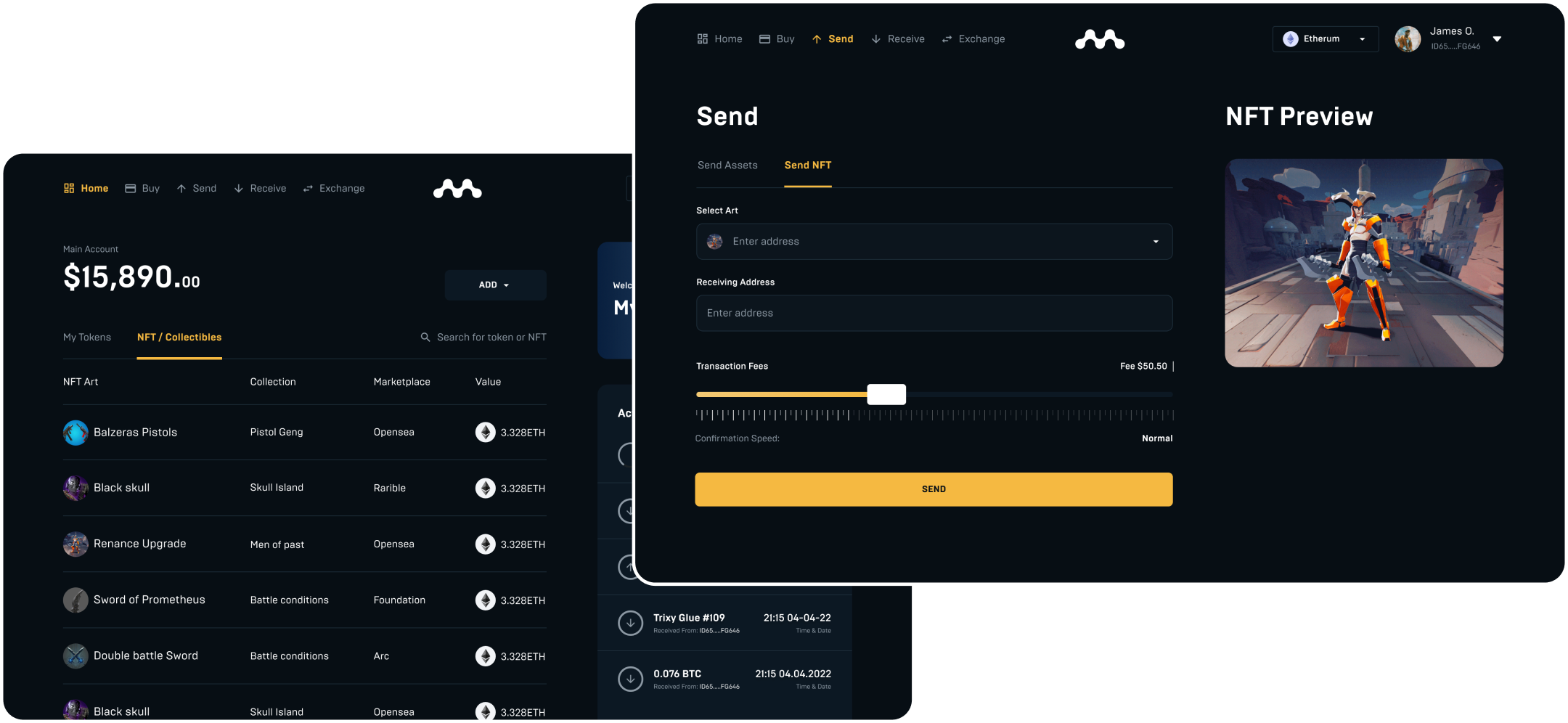
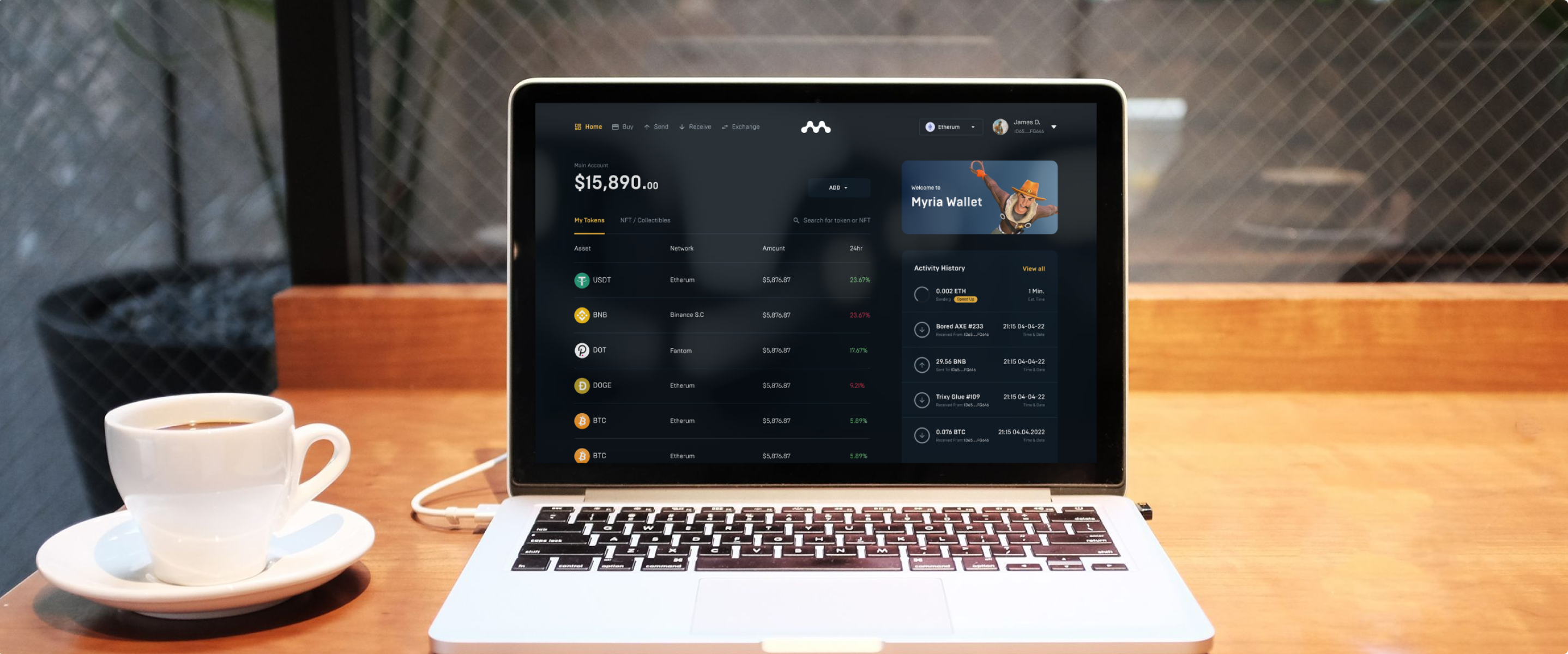
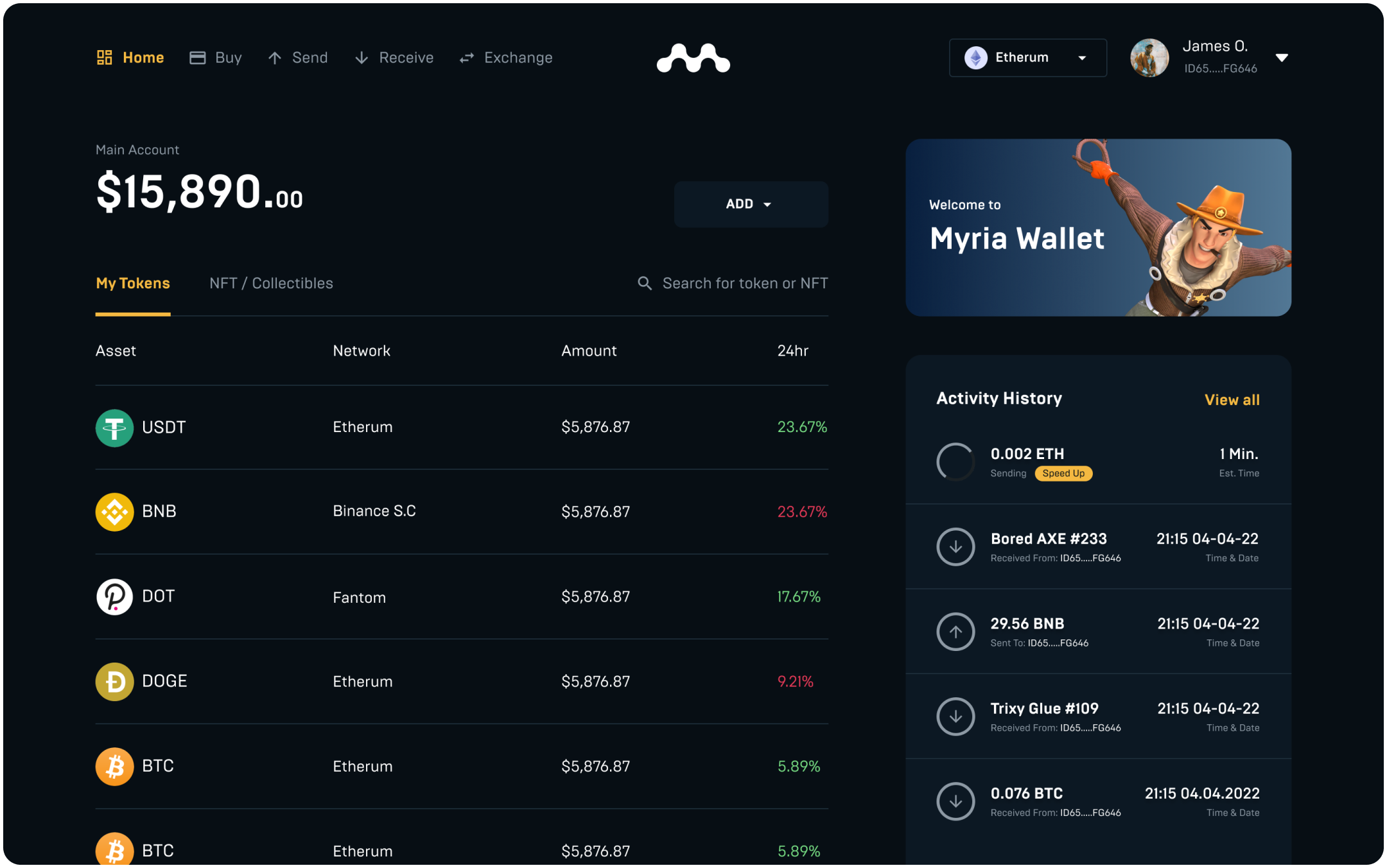
The dashboard was designed to provide a high-level overview of a player's entire digital wealth at a glance. I moved away from technical jargon and focused on a clean hierarchy where balances, recent activities, and quick actions like "Send" and "Receive" are immediately accessible. This ensures players can check their rewards and get back to their game without navigating through multiple sub-menus.

NFT Asset Management

NFTs are the heart of the GameFi experience, so I treated them as visual trophies rather than just line items in a list. I built an integrated management system that allows users to see previews of their assets, ensuring they don't accidentally send the wrong item due to small, unclear thumbnails. This view makes it easy to organize, view, and prepare assets for trading or gifting.

Transparent Transaction Tracking

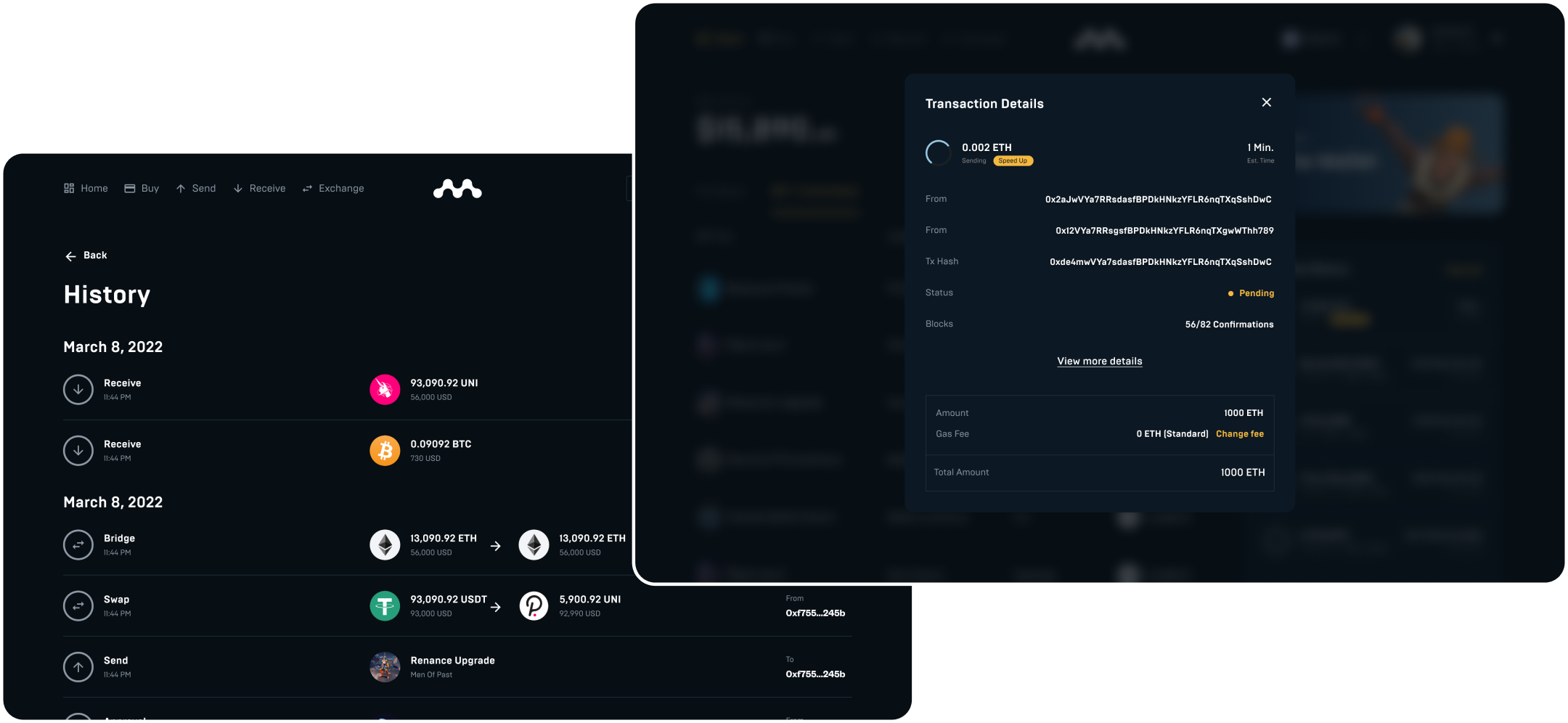
One of the biggest pain points for gamers was the "waiting anxiety" during blockchain confirmations. I designed a transaction view that provides real-time progress bars and clear status updates. By humanizing the data with estimated completion times and easy-to-read history logs, we replaced technical confusion with operational trust.

Peer-to-Peer Utility (Sending Tokens)

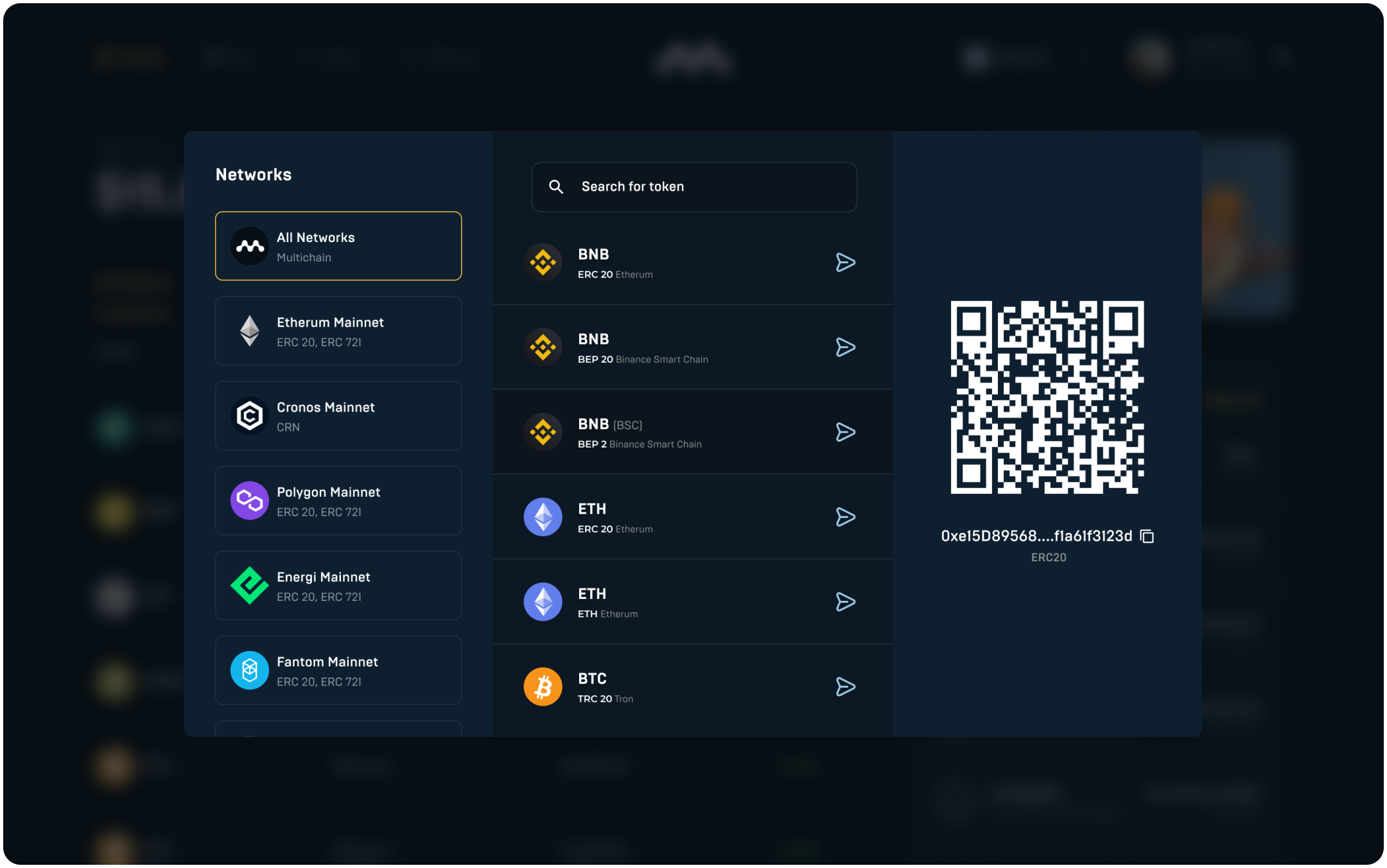
I streamlined the process of moving assets across different blockchains by integrating a multi-chain system with simple QR scanning. The design minimizes the number of clicks required to complete a transfer, reducing the risk of errors while handling valuable tokens.

Expanding Utility With Rental Protocols

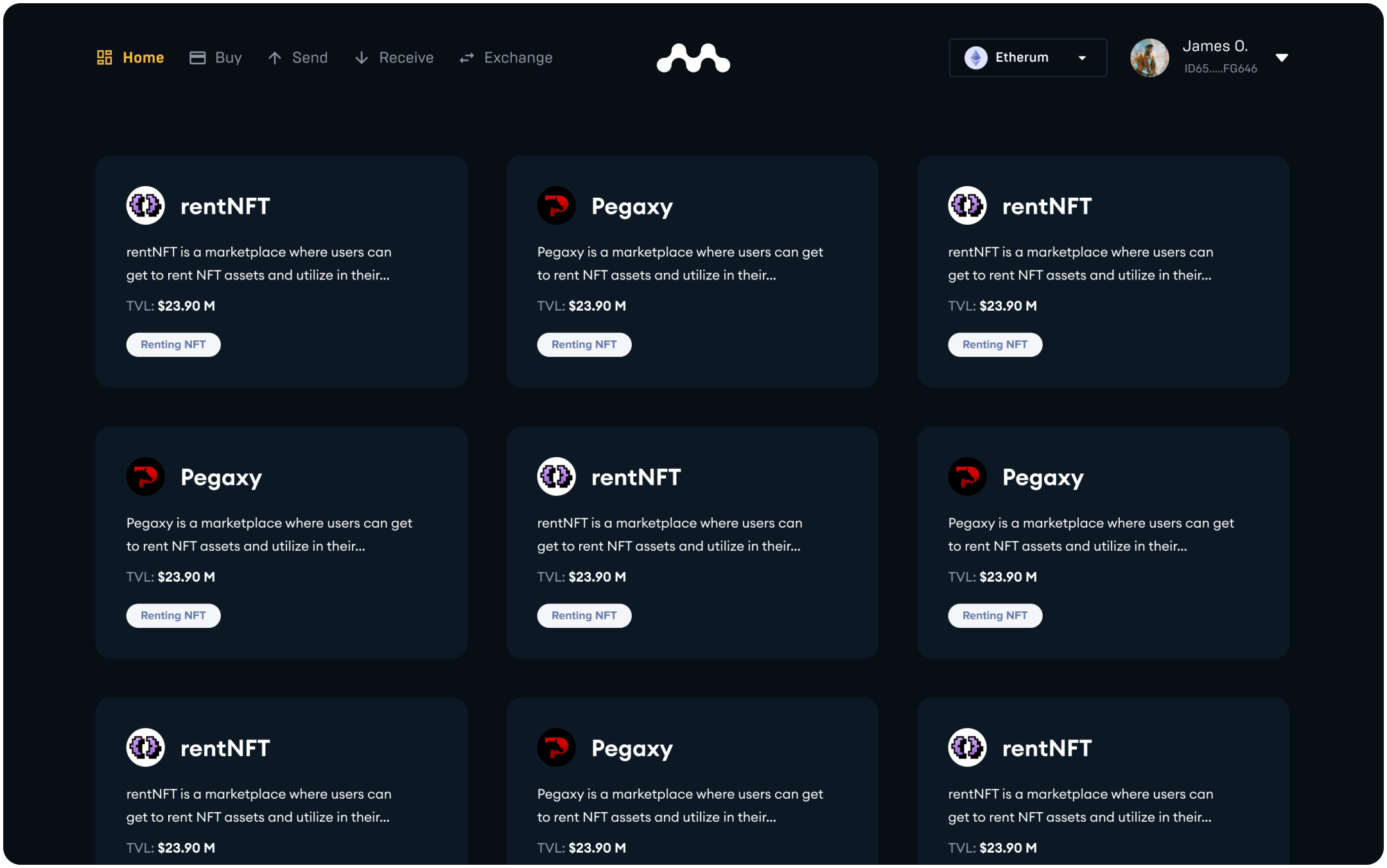
Recognizing the growing "Scholarship" and rental models in gaming, I added a dedicated interface for connecting to rental protocols. This allows players to put their idle NFT assets to work by renting them out to other gamers, creating a passive income stream directly within the wallet ecosystem.

Problem Statement

Gamers are often deterred by the "Crypto Wall" a set of technical barriers like complex address formats, high fees, and a lack of visual clarity.

In Myria’s case, players wanted to trade their NFTs and tokens easily but felt "waiting anxiety" and confusion during transactions. The core challenge was to simplify these high-stakes blockchain actions into low-friction, player-friendly interactions.

The Background

Myria is a blockchain ecosystem built specifically to scale gaming. While the underlying technology was powerful, the initial entry point, the wallet was a major roadblock.

Players found the existing tools too technical, creating a gap between earning rewards and actually owning them. My role as Lead Designer was to bridge this gap, creating a wallet that felt like a natural extension of a game rather than a complex financial app.

The Design Process: A Player-Centric Approach

To design the project properly, i had to carry out a series of activities which started with a call with the product owners the vision was clearly explained and which was a benchmark for the research and interviews; below are the activities carried out in steps

Phase 1: Kickoff & Discovery

I started by aligning with stakeholders to define the MVP scope. We prioritized the features that would provide the most immediate value to gamers: asset transfers, NFT management, and reward tracking.

Phase 2: Research & User Interviews

To move beyond assumptions, I conducted interviews with active GameFi users. The goal was to understand their mental models when handling digital inventory.

Key Finding: Users don't care about "hashes" or "gas"; they care about seeing their new item or token arrive safely and quickly.

Phase 3: Competitive Benchmarking & UI Review

I audited leading wallets and in-game marketplaces to identify successful UI patterns. I found that the best experiences used progressive disclosure, showing only the most important info first and hiding technical details unless requested.

Phase 4: High-Fidelity Design & Iteration

I translated these insights into high-fidelity screens, focusing on a "user-first" aesthetic. I replaced technical jargon with human language and added real-time visual feedback to all transaction states to build trust.

The Research Process: Bridging Gamer Expectations with Blockchain Reality

During the research phase, I engaged with players in traditional gaming spaces and the GameFi community to understand how they monitor transactions. I discovered that most users were forced to wait hours for transaction confirmations without any visual feedback, leading to a total loss of trust in the system. Furthermore, 75% of users expressed a specific need for a way to connect their wallets directly to external protocols so they could borrow or rent the assets needed to improve their gameplay.

Insights from User Interviews

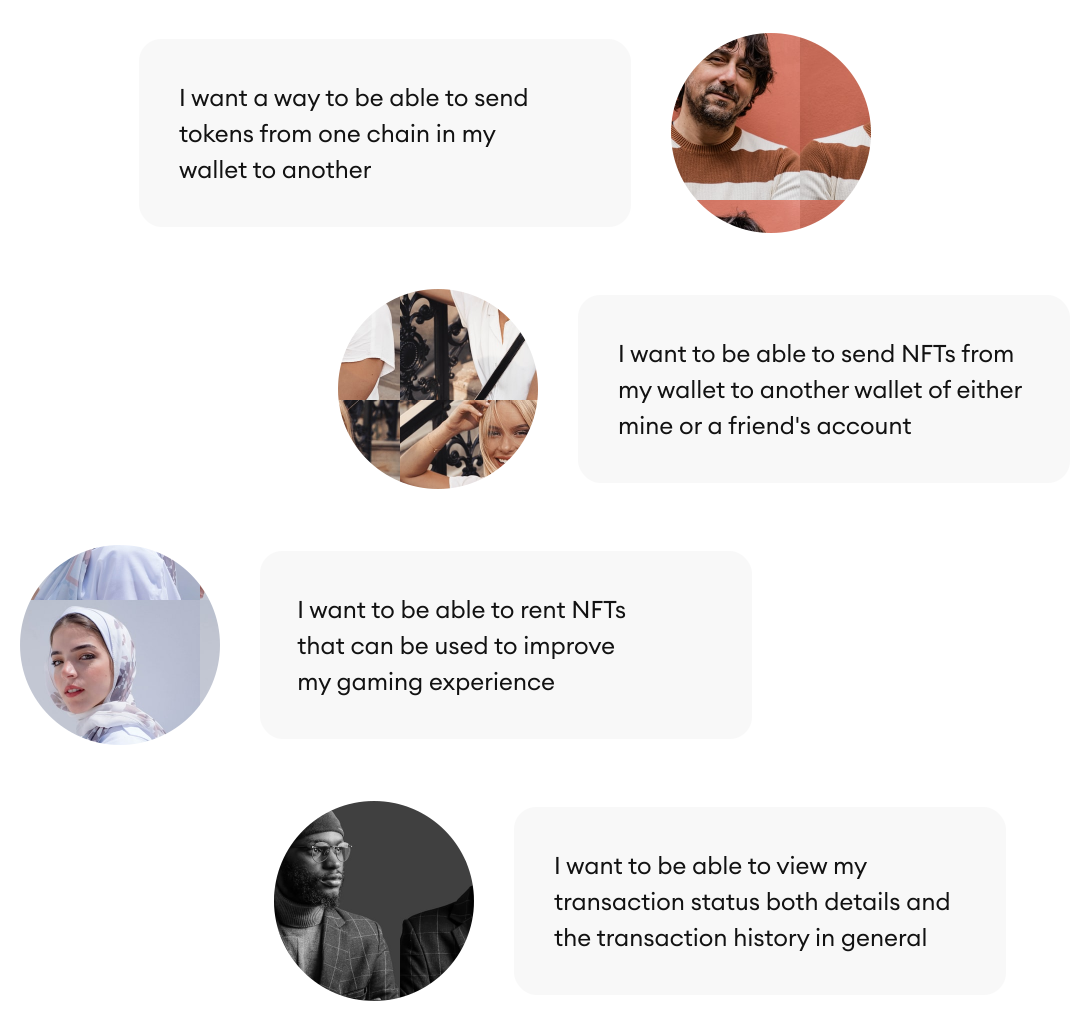
To move beyond assumptions, I conducted structured interviews with active GameFi users. These conversations revealed four critical "User Desires" that became the blueprint for our design decisions:

Competitive & Market Analysis

I audited leading Web3 wallets like MetaMask and Trust Wallet to identify why they were failing the gaming community. While these tools are secure, they are designed for financial traders, not players.
  • The Gap: Most wallets lack visual asset previews and gaming-specific integrations, forcing players to leave their ecosystem to perform basic tasks like renting or swapping gaming tokens.
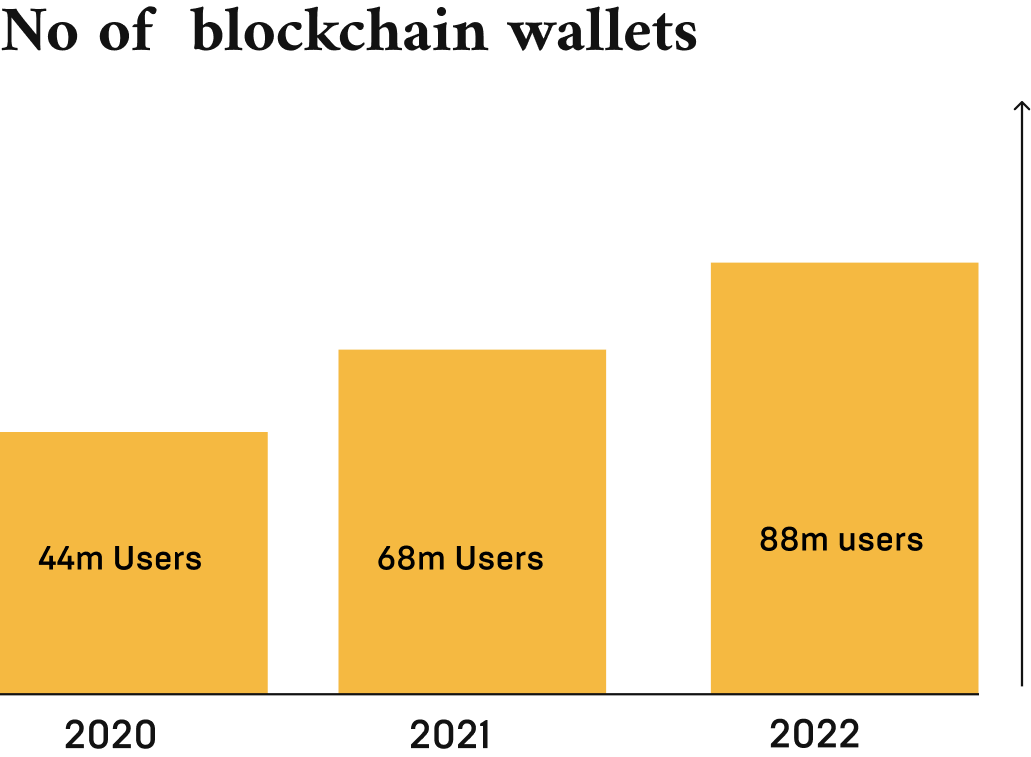
  • The Opportunity: By integrating these "missing" gaming features directly into the Myria Wallet, we could capture a market that is projected to grow to over 88 million active users by 2030.

Market Validation

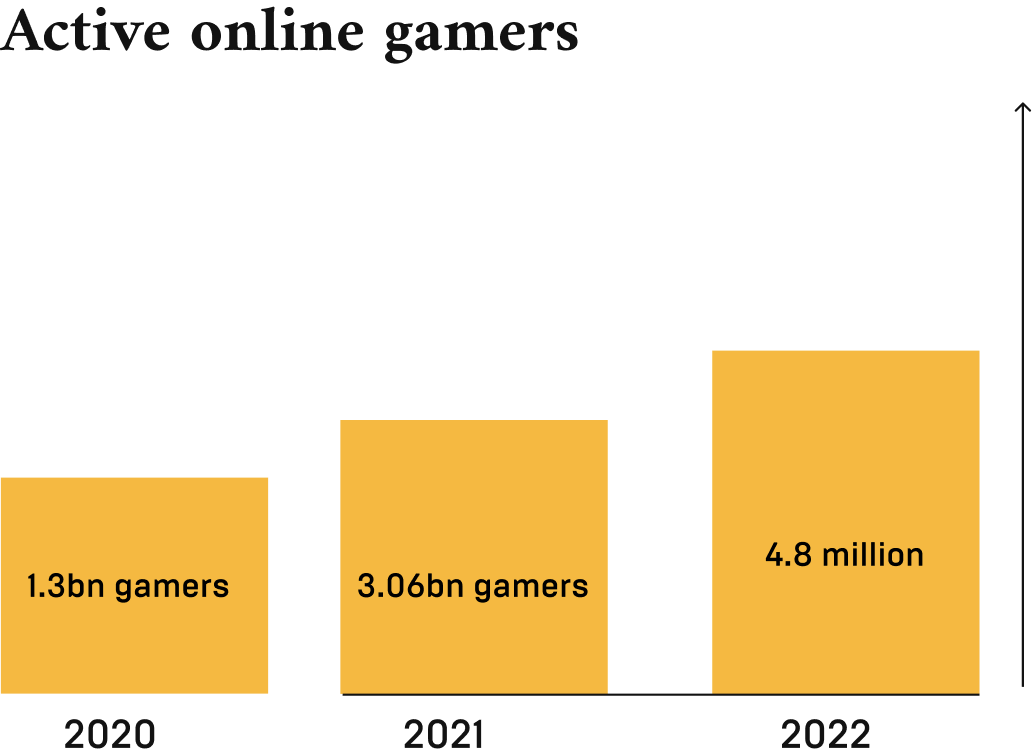
The blockchain market has been one that has been one of the fastest-growing space in the last 5 years with a tremendous increase in the number of active blockchain wallet users this coupled with the game environment which has over 1m active game users on the blockchain and over 3.03bn gamers in general, holds tremendous market base for Myria

2022 Gaming market revenue : $300bn

Defining the Persona

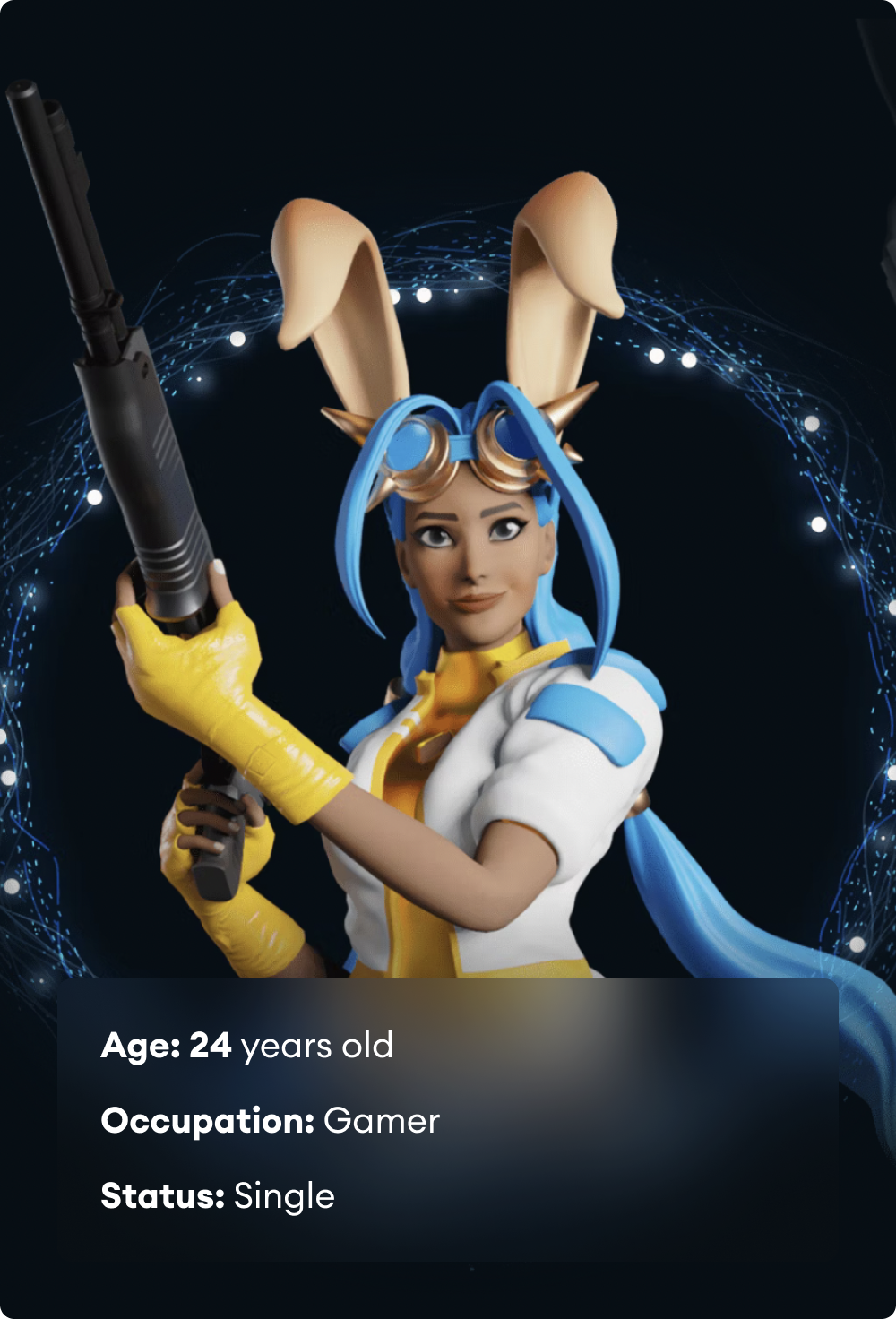
To keep the design focused, I created "Jasmine," a 24-year-old gamer who has been playing GameFi titles for over 11 months.

About

A 24-year -old online gamer based in Texas, United States. She has been running her online playing online games for the last 4 years and started gamefi for over 11 months, she loves the conquests and plays for hours non-stop

Goals

  • Jasmine needs a way to make transactions of her rewarded tokens from one address to another or even an external wallet
  • Jasmine occasionally transfers NFTs to her fellow guild members

Needs

  • She needs the means to transfer NFT assets
  • She needs a way to rent assets that she currently doesn't have but needs to play better

Pain Point

  • Unable to transfer her assets to friends or other addresses
  • Unable to properly know the state of her crypto transactions when she sends them form other wallets
  • Have to wait long hours for some transactions

Defining the User Path: User Stories

To ensure the engineering team and I were aligned on the MVP, I translated my research insights into core User Stories. This ensured every pixel we designed had a direct purpose for the player:
  • Cross-Chain Freedom: As a user, I want to transfer assets across multiple chains so that I am never restricted to a single network.
  • Earning Potential: As a user, I want to borrow or rent game assets so that I can participate in high-level gameplay without a massive upfront cost.
  • Financial Clarity: As a user, I want to see my real-time account balance and transaction history so that I feel in total control of my digital wealth.

The Central Command Dashboard

The dashboard was designed to provide a high-level overview of a player's entire digital wealth at a glance. I moved away from technical jargon and focused on a clean hierarchy where balances, recent activities, and quick actions like "Send" and "Receive" are immediately accessible. This ensures players can check their rewards and get back to their game without navigating through multiple sub-menus.

NFT Asset Management

NFTs are the heart of the GameFi experience, so I treated them as visual trophies rather than just line items in a list. I built an integrated management system that allows users to see previews of their assets, ensuring they don't accidentally send the wrong item due to small, unclear thumbnails. This view makes it easy to organize, view, and prepare assets for trading or gifting.

Transparent Transaction Tracking

One of the biggest pain points for gamers was the "waiting anxiety" during blockchain confirmations. I designed a transaction view that provides real-time progress bars and clear status updates. By humanizing the data with estimated completion times and easy-to-read history logs, we replaced technical confusion with operational trust.

Peer-to-Peer Utility (Sending Tokens)

I streamlined the process of moving assets across different blockchains by integrating a multi-chain system with simple QR scanning. The design minimizes the number of clicks required to complete a transfer, reducing the risk of errors while handling valuable tokens.

Expanding Utility With Rental Protocols

Recognizing the growing "Scholarship" and rental models in gaming, I added a dedicated interface for connecting to rental protocols. This allows players to put their idle NFT assets to work by renting them out to other gamers, creating a passive income stream directly within the wallet ecosystem.

Final Results & Conclusion

Designing the Myria Wallet was about more than just managing digital currency; it was about building a foundational bridge for the next generation of gamers to enter the Web3 space. By prioritizing simplicity over technical jargon, we transformed a complex blockchain process into an intuitive gaming inventory.
Key Outcomes:
  • Bridging the Gap: By simplifying multi-chain transfers and asset management, we removed the primary technical barriers that prevent traditional gamers from exploring GameFi.
  • Building Operational Trust: Real-time transaction tracking and clear status updates replaced "waiting anxiety" with a sense of security and clarity for every user.
  • Enabling Digital Economies: Integrating rental protocols and NFT galleries provided players with new ways to earn from their achievements, making the wallet a vital part of their daily gaming loop.
Ultimately, this project proves that even the most complex technology can be made accessible when you design for the user's needs first. By creating a tool that feels natural to the gaming experience, we’ve empowered players to truly own their digital future.
Other Works

Hit me up let's create something, fun, magical, a
digital solutions that would truly relate to the users and take
the business to the next level

LETS TALK - LETS BUILD LETS TALK - LETS BUILD LETS TALK - LETS BUILD