For 8 years
I've been designing
and building products.
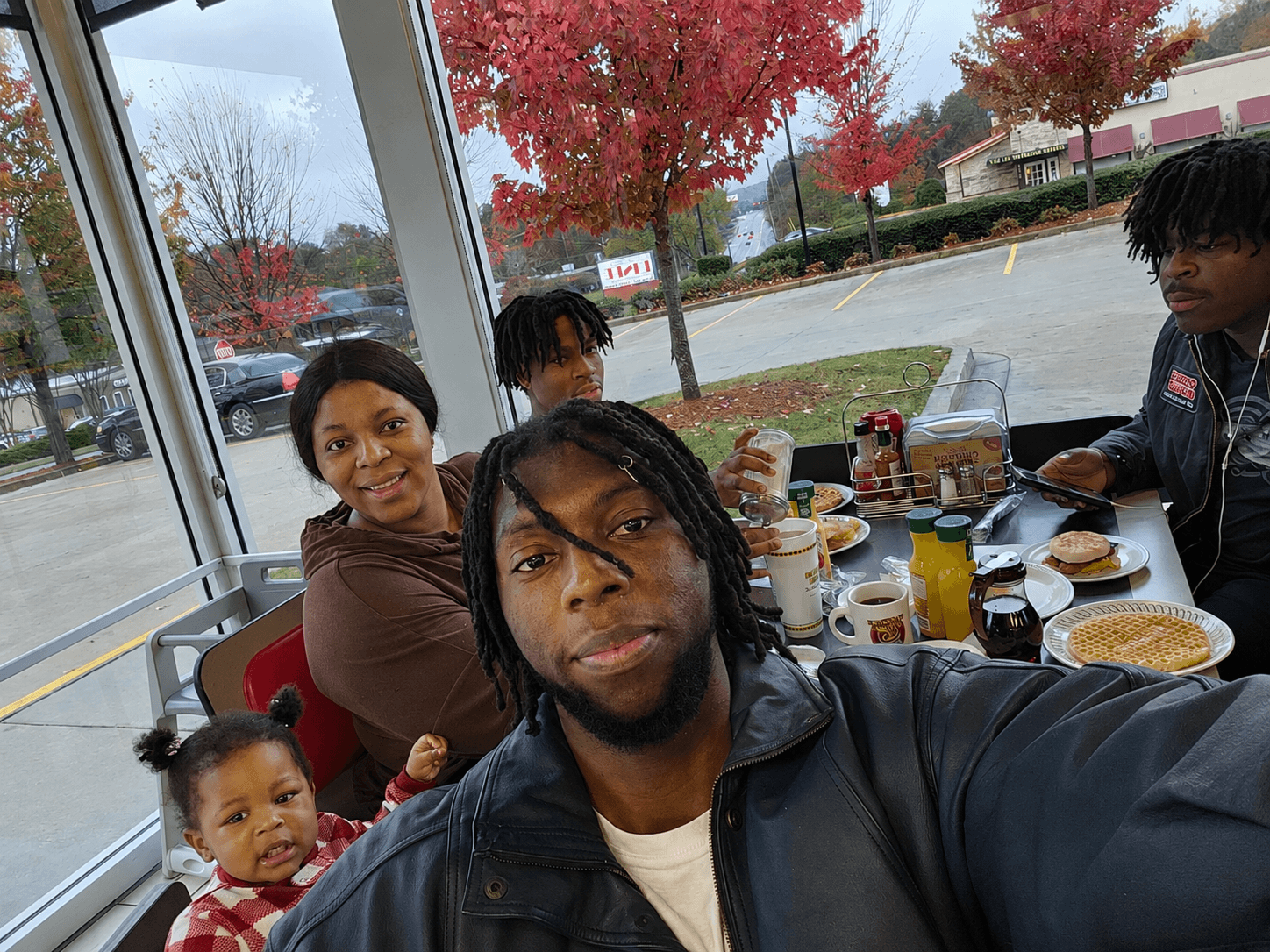
Most of the work has been Web3, Fintech, AI, and Gaming. I do it round the world as a digital nomad and a proud uncle.

My best work has always come from the same kind of room: a clear vision, a real problem, and the air to push back.
I have led design at Game7, led product and design at Valist, and shaped products at companies from pre-seed to Series B. The work has lived in wallets, in payments rails, in AI tools, and in the back-office screens nobody screenshots. Some of it shipped, some of it became the v2 that did.
Outside the job, I have taught design to more than 15,000 students through bootcamps, run communities where designers share craft instead of polish, and spent more late nights than I want to admit answering DMs from juniors trying to figure out the same things I had to figure out alone.
How I work
in 2026
I design with the medium
I'm shipping in.
Figma is still where most of the thinking happens. But when a prototype in code answers the question faster than a frame would, that's the file I open. v0 and Cursor are part of the toolchain now. So is Claude. I treat them like a sharp junior who needs direction, not a magic wand.
I have shipped marketing sites in Framer over a weekend, and I have sat in pair sessions with engineers tightening hover states the day of launch. I do not draw the line at handoff. When a flow is one PR away from being right, the cheapest fix is to open the editor.
This is why I'm sharpest in 0 to 1. Small teams need someone who can sit between design, product, and engineering without forcing a meeting every time the answer is obvious. That is the role I look for.
Design guidelines
Six principles I keep coming back to. Scroll through.
Empowering
The product should make the user's day shorter, not just the company's funnel longer. If I can't explain how a feature helps the person using it, I cut it before I ship.
Respectful
I design for people who already have too many tabs open. No dark patterns, no growth loops that punish the user, no retention mechanic I wouldn't put my own name on.
Pragmatic
Design that loses the company money loses everyone. I look for the version of the right answer the business can sustain, then ship that, not the version that wins a Dribbble shot.
Empathy
Most product decisions get made by someone who isn't the user. I do the research, sit with the support tickets, and watch people fumble with the thing before I redesign it. Most 'edge cases' are users you didn't talk to.
Inclusivity
If it doesn't work on a 3G connection, an older phone, in low literacy, or with a screen reader, it isn't done. I build the broken path first so the happy path doesn't get all the love.
Transparent
I show my work. The screen explains what's happening, the error message says what to do, and the team can read my Figma like a brief. Hidden behavior is a trust tax I refuse to charge.
Where I've been
YieldClub
Lead Product Designer
Gruve Tickets
Head of Products & Design Engineer
Game7
Lead Product Designer
Valist
Senior Product Designer
Arc
Senior Product Designer
daba
Design Consultant
Bitpowr
Product Designer
Bento
Product Designer
Kufuta
Product Designer
Fambase
Product Designer
Favourite anime
Long arcs, characters that earn their power, stakes that take seasons to land. The pacing lessons here transfer to product flow more than most people will admit.




Let's makesomething
Open to senior and lead IC and design-engineering roles. Also up for a short paid pilot if you want to see how I work before you hire.