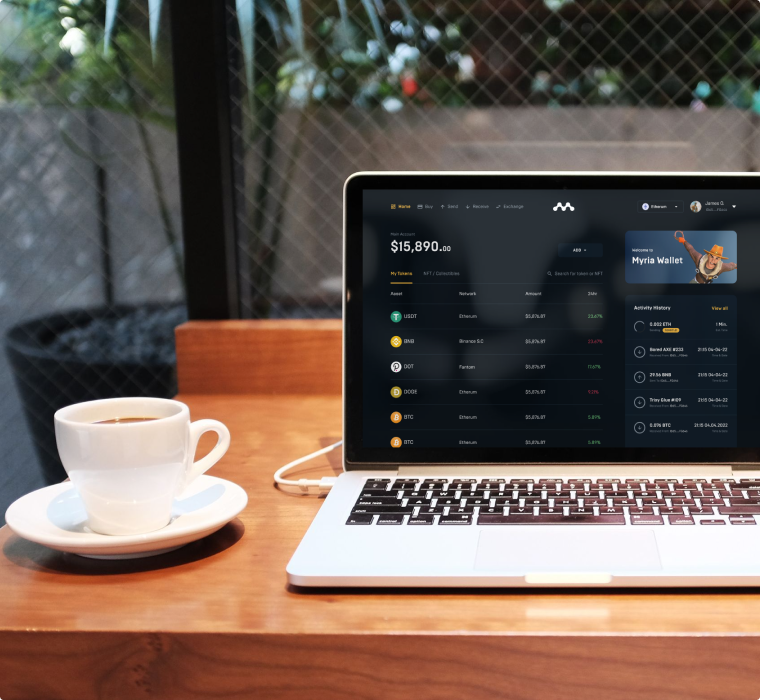
Kwikpik Wallet: Bridging the Fiat-Crypto Divide

Evolving a logistics wallet into an all-in-one Web3-powered fintech ecosystem for managing crypto and fiat assets.

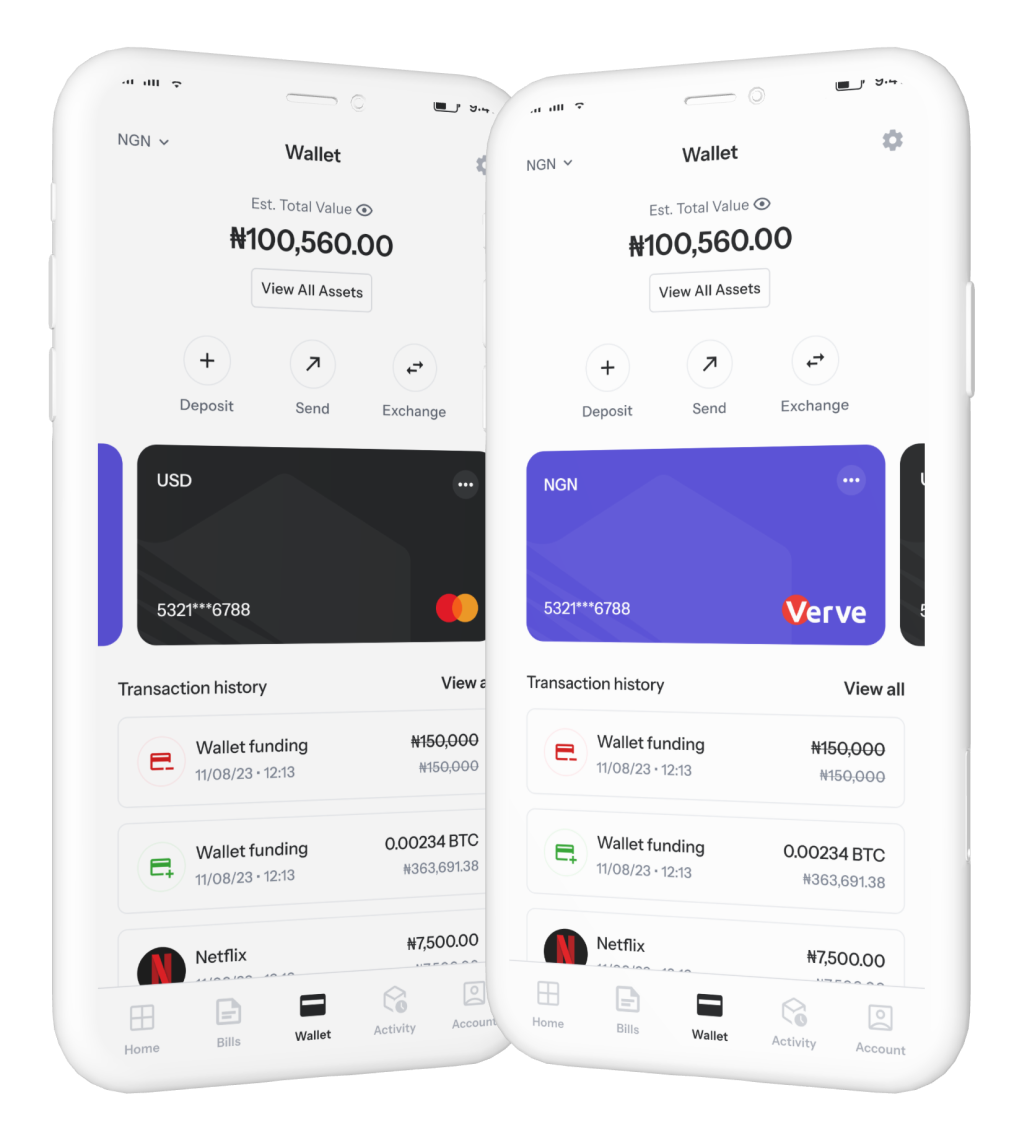
Kwikpik Wallet is an all-in-one ecosystem bridging digital assets and real-world utility. For managing crypto and fiat, issuing virtual cards, and automating bills, creating a home where users move money with confidence.

Kwikpik transitioned from a last-mile logistics provider to a financial bridge for users earning in crypto but living in a fiat world. I led the design of a unified, non-custodial ecosystem that allows users to manage, swap, and spend digital assets and local currency in one place. By integrating global spending tools and local payment rails, we transformed a simple utility into a comprehensive financial hub for over 100k+ users.

Impact: 100k+ users; 50% reduction in time-to-payment; 35% increase in WAU

Role

Lead Product Designer
User Experience
Systems Design
Strategy
Prototyping
User Testing

Client

Kwikpik

Duration

4 Months

Year

2025
Quick Read
Full Case Study

The Core Constraint

Designing a financial bridge in the African market presented unique systemic challenges that dictated our design strategy:
  • Regulatory Complexity: Navigating the shifting landscape of crypto compliance in Africa required a design that was both transparent for regulators and seamless for users.
  • The Trust Deficit: High rates of digital fraud meant the UI had to over-communicate security without adding friction.
  • Technical Literacy Gap: We had to build for users who understand "sending money" but are intimidated by "blockchain," "gas fees," and "seed phrases."
  • The Liquidity Wall: Most users earned in crypto but couldn't pay for local services (electricity, data, groceries) without multiple, expensive third-party swaps.
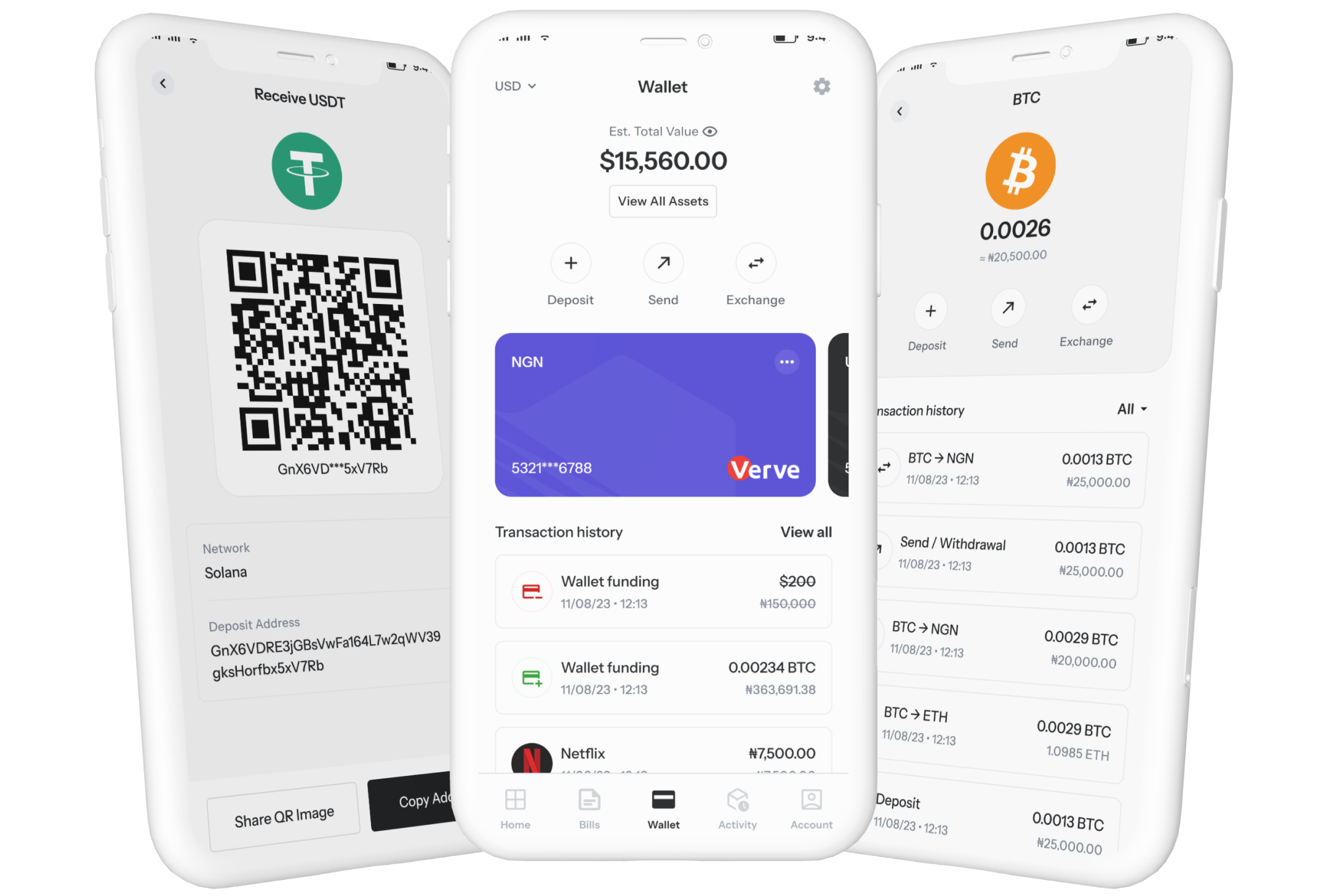
Design Execution: Making Digital Money Work for Daily Life

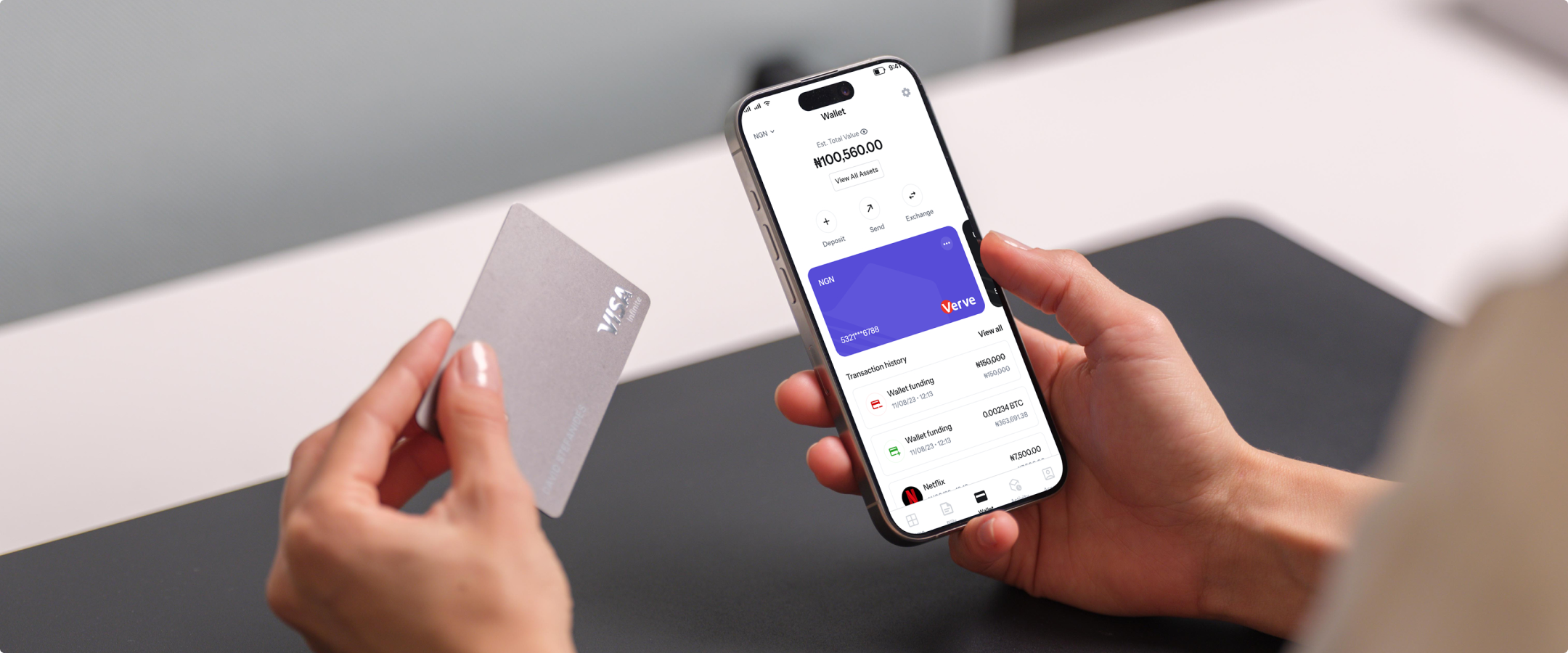
Prioritizing Daily Utility Over Technical Complexity I moved Kwikpik beyond a simple wallet to become a daily financial companion. By focusing on a "spending-first" interface, I prioritized the immediate needs of users paying for data, settling utility bills, and moving money.

Universal Liquidity: Spend Anything, Anywhere

The Problem: Users felt "trapped" in their digital assets because they had to manually calculate and swap tokens before paying for simple subscriptions.

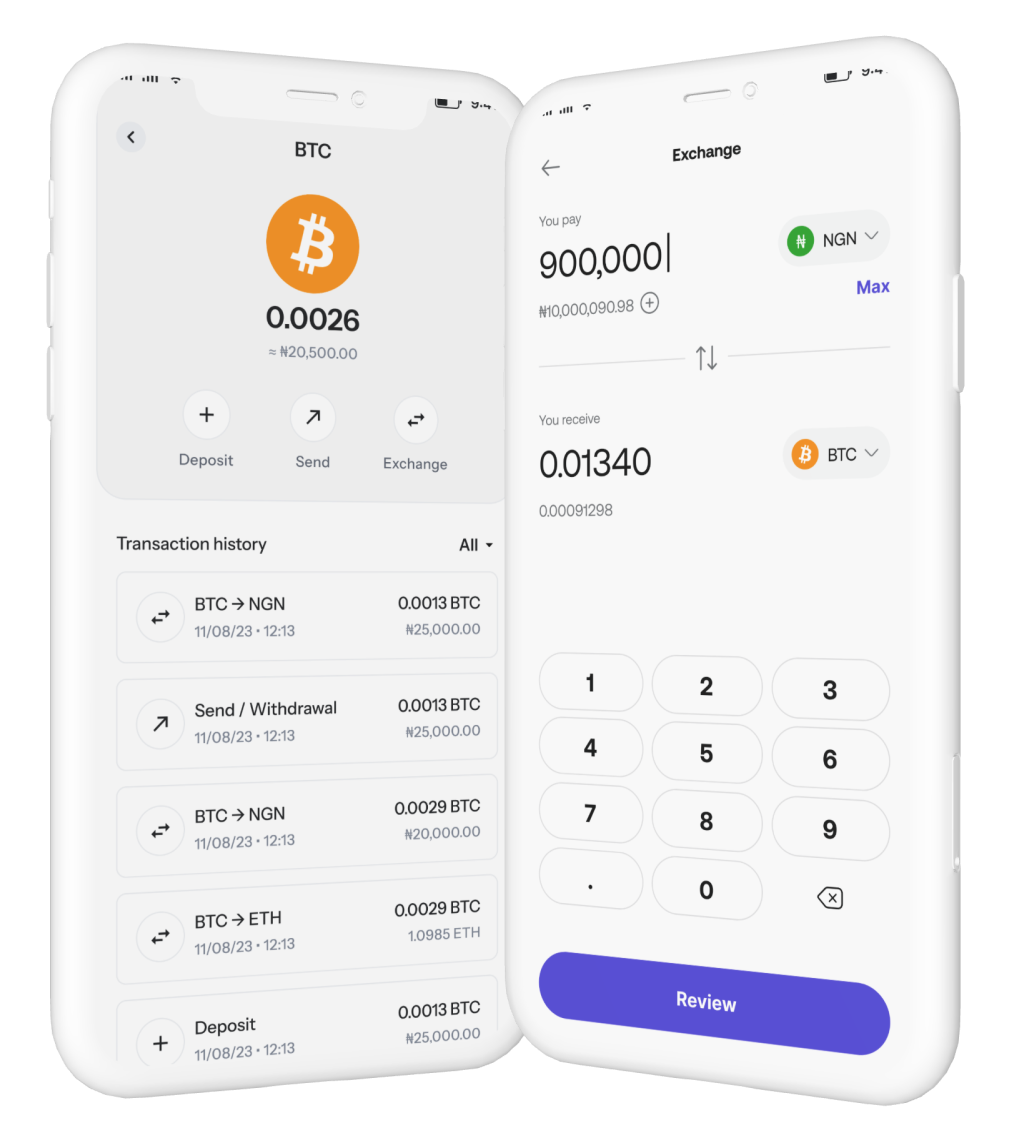
The "How": I designed a Universal Conversion Engine that allows users to pay for bills or subscriptions using any asset (BTC, ETH, or USDT).

My Simplified Approach: I merged "Swap" and "Pay" into a single action, treating the wallet as one unified pool of money rather than a collection of separate tokens.

Secure Local Off-Ramps (Frictionless Swaps)

The Problem: Freelancers earning in USDT often fall victim to scammers on risky P2P platforms when trying to convert earnings to Naira.

The "How": I designed a Simplified Swap-to-Bank flow for instant conversion into NGN at transparent rates.

My Simplified Approach: I replaced the high-anxiety P2P process with a safe, internal "safe haven" loop, giving users total control over their liquidity without needing to trust a third party.

Secure Local Off-Ramps (Frictionless Swaps)

The Problem: Freelancers earning in USDT often fall victim to scammers on risky P2P platforms when trying to convert earnings to Naira.

The "How": I designed a Simplified Swap-to-Bank flow for instant conversion into NGN at transparent rates.

My Simplified Approach: I replaced the high-anxiety P2P process with a safe, internal "safe haven" loop, giving users total control over their liquidity without needing to trust a third party.

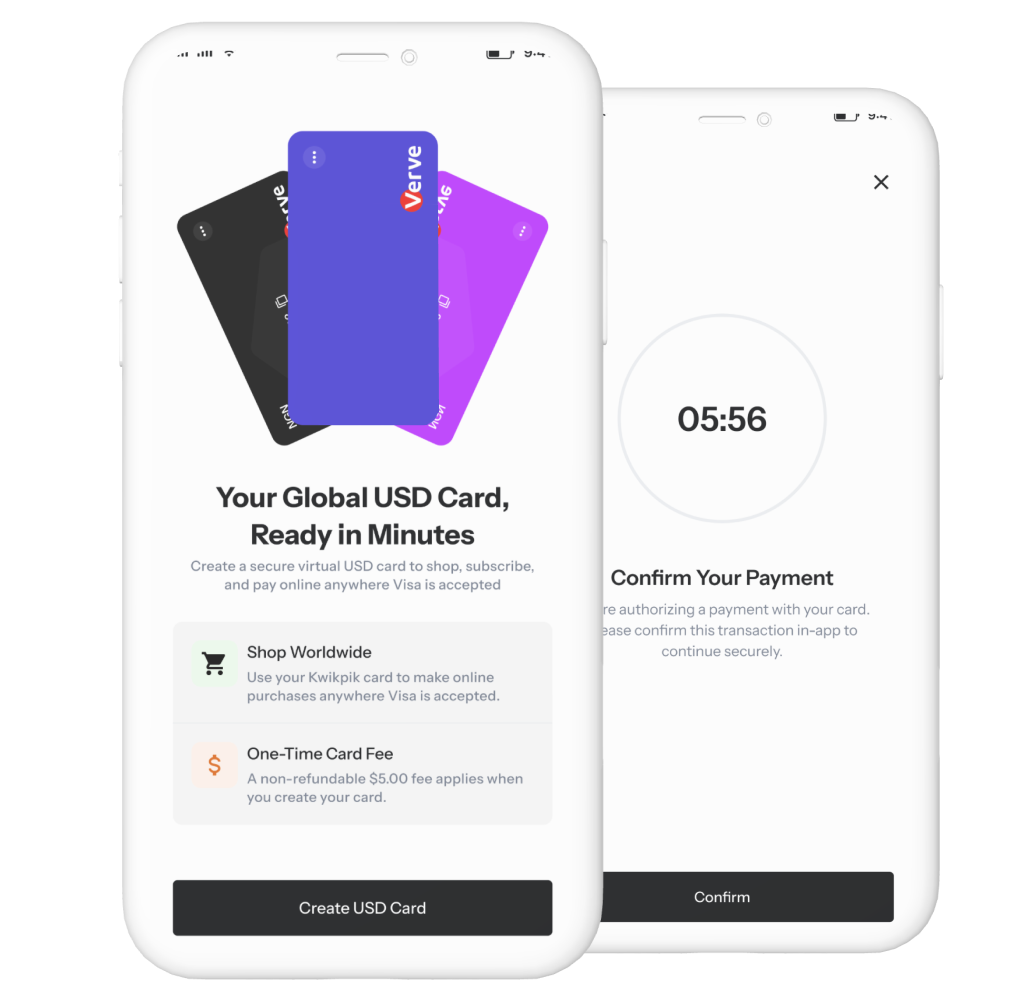
Global Spending Power (Virtual Cards)

The Problem: Managing essential expenses like data or electricity usually required jumping between multiple banking apps, creating massive friction.

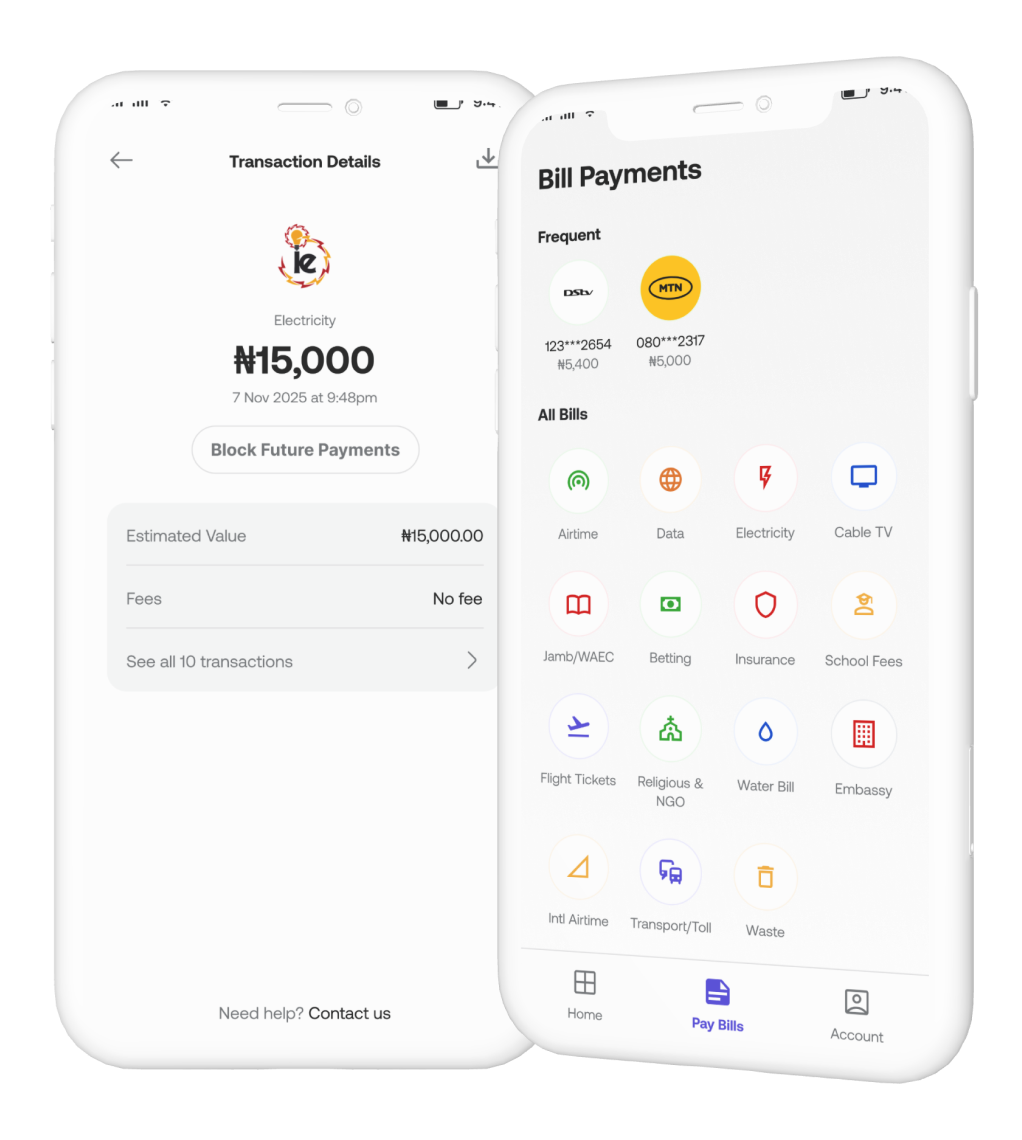
The "How": I built a Comprehensive Bill Payment Hub that supports everything from Airtime and Data to Health Insurance.

My Simplified Approach: I introduced "Contextual Shortcuts" on the dashboard, pinning frequent bills to the home screen to turn a 2-minute menu search into a 10-second task.

Daily Utility & Bill Payments

The Problem: Managing essential expenses like data or electricity usually required jumping between multiple banking apps, creating massive friction.

The "How": I built a Comprehensive Bill Payment Hub that supports everything from Airtime and Data to Health Insurance.

My Simplified Approach: I introduced "Contextual Shortcuts" on the dashboard, pinning frequent bills to the home screen to turn a 2-minute menu search into a 10-second task.

Daily Utility & Bill Payments

The Problem: Managing essential expenses like data or electricity usually required jumping between multiple banking apps, creating massive friction.

The "How": I built a Comprehensive Bill Payment Hub that supports everything from Airtime and Data to Health Insurance.

My Simplified Approach: I introduced "Contextual Shortcuts" on the dashboard, pinning frequent bills to the home screen to turn a 2-minute menu search into a 10-second task.

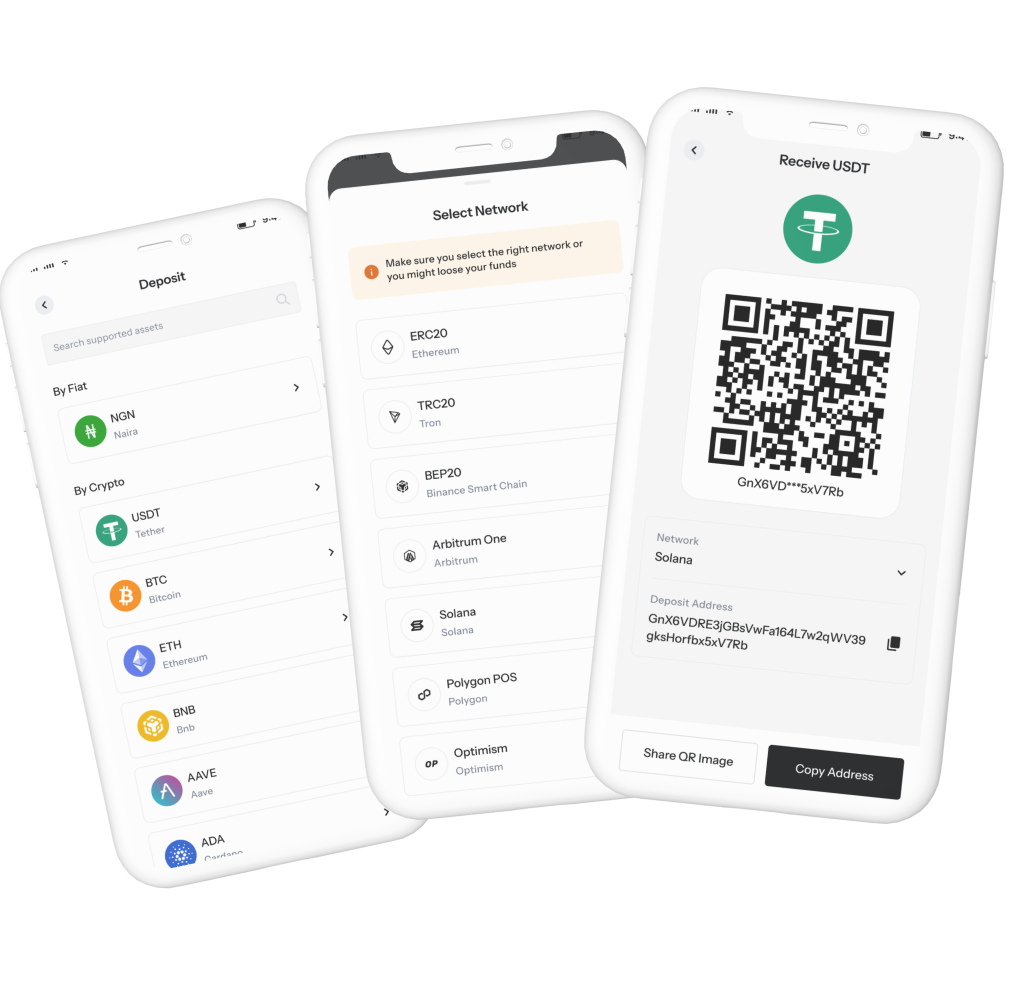
Smart Multi-Network Support

The Problem: "Network mismatch" errors (sending ERC-20 to Solana) are a leading cause of permanent loss of funds and user anxiety.

The "How": I designed an Intelligent Deposit & Withdrawal Interface that auto-adjusts based on the selected network.

Simplified Approach: I added "Address Validation" guards that warn users if they are about to send funds to an incompatible network, providing a vital safety net.

The Mission & The Complexity

When I joined Kwikpik, the goal was to evolve from a narrow utility into a "financial home". The challenge was a fragmented experience where users managed crypto and fiat as two separate, disconnected lives.
The Core Constraints:
  • Regulatory Complexity: Navigating the shifting landscape of crypto compliance in Africa required a design that was both transparent for regulators and seamless for users.
  • The Trust Deficit: High rates of digital fraud meant the UI had to over-communicate security without adding friction.
  • Technical Literacy Gap: We had to build for users who understand "sending money" but are intimidated by "blockchain," "gas fees," and "seed phrases."
  • The Liquidity Wall: Most users earned in crypto but couldn't pay for local services (electricity, data, groceries) without multiple, expensive third-party swaps.
Understanding the People Behind the Transactions

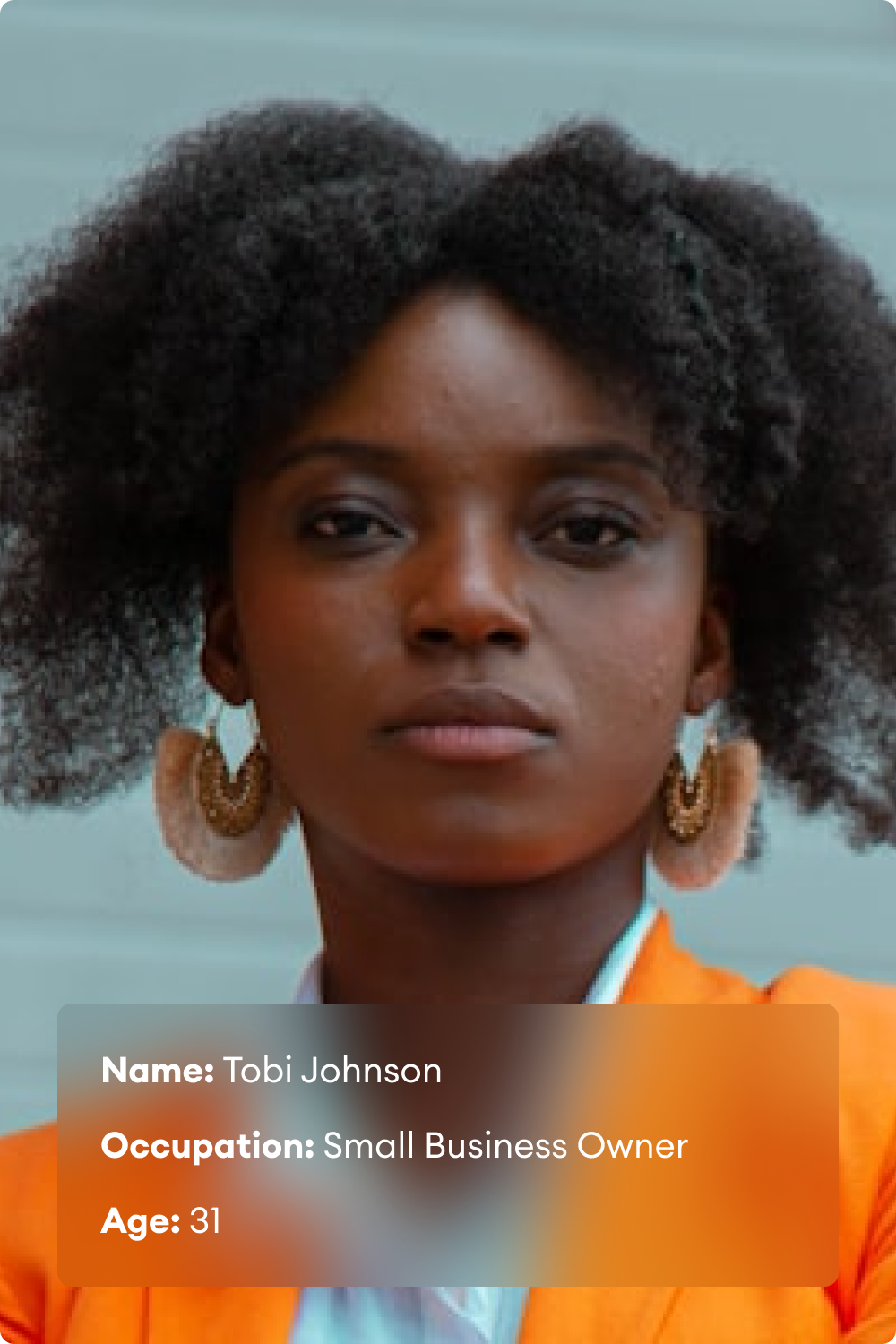
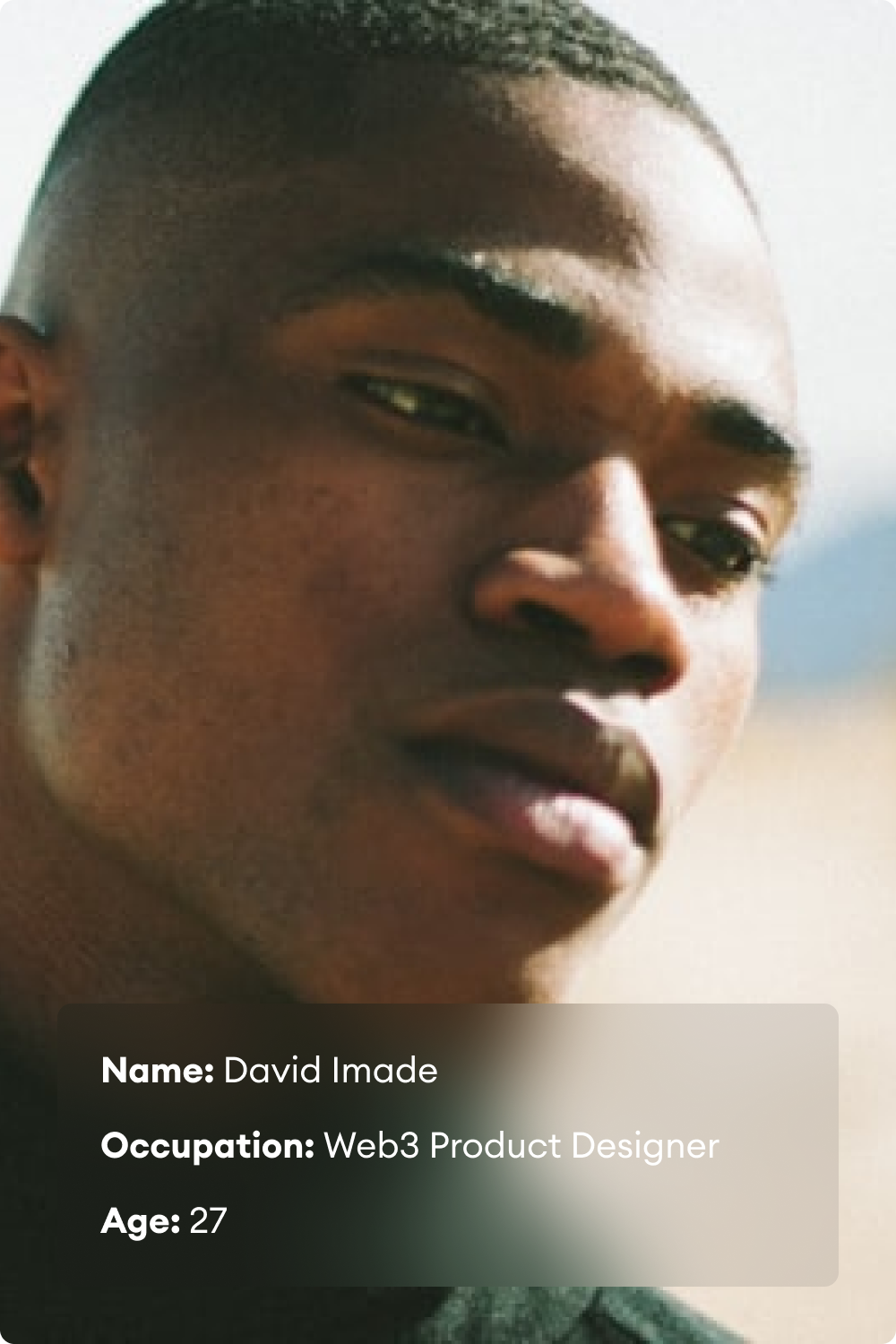
We identified key user archetypes to move past the "wallet address" and see the human motivations. By mapping the specific needs of small business owners and remote web3 professionals, we were able to pinpoint where the "Liquidity Wall" was causing the most pain.

About

Tobi runs a growing online retail business in Lagos, Nigeria. She regularly sends out customer orders using Kwikpik’s delivery services and manages payments, logistics, and subscriptions on her own.

Goals

  • Keep money in her Kwikpik wallet to quickly pay for deliveries without needing to top up each time.
  • Use one platform to manage all business expenses, logistics, utility bills, transfers to vendors and online subscriptions.
  • Track spending in one place to better manage cash flow and budgeting.

Needs

  • A reliable in-app wallet with balance tracking and instant payment capabilities.
  • Support for both local (NGN) and international (USD) transactions, including bill payments.
  • A virtual card for international purchases and online business tools.

Pain Point

  • No single place to monitor and manage all business-related payments.
  • Difficulty making international payments due to currency restrictions and unreliable card support.

About

David is a senior product designer at a U.S.-based Web3 startup and usually spends his time indoors. He receives his salary in USDC on the Ethereum (ERC-20) network through MetaMask.

Goals

  • Seamlessly convert his USDC salary to Naira without using risky P2P platforms.
  • Access a secure, all-in-one wallet that can receive crypto, convert to fiat, and allow direct spending.
  • Pay for global work tools like ChatGPT, Adobe, and MidJourney with his salary with ease.

Needs

  • A wallet that can receive USDC directly and support instant crypto-to-fiat conversion.
  • An integrated, secure on-ramp/off-ramp to avoid scams from P2P marketplaces.
  • A virtual USD card to handle subscriptions and international purchases directly from his wallet.

Pain Point

  • Fear from using P2P platforms like Bybit due to past scams.
  • Lack of a reliable method to convert crypto to Naira for local spend.
  • Inconvenient processes involving bank visits, currency exchanges, and third-party help just to fund a dollar card.

How Might We

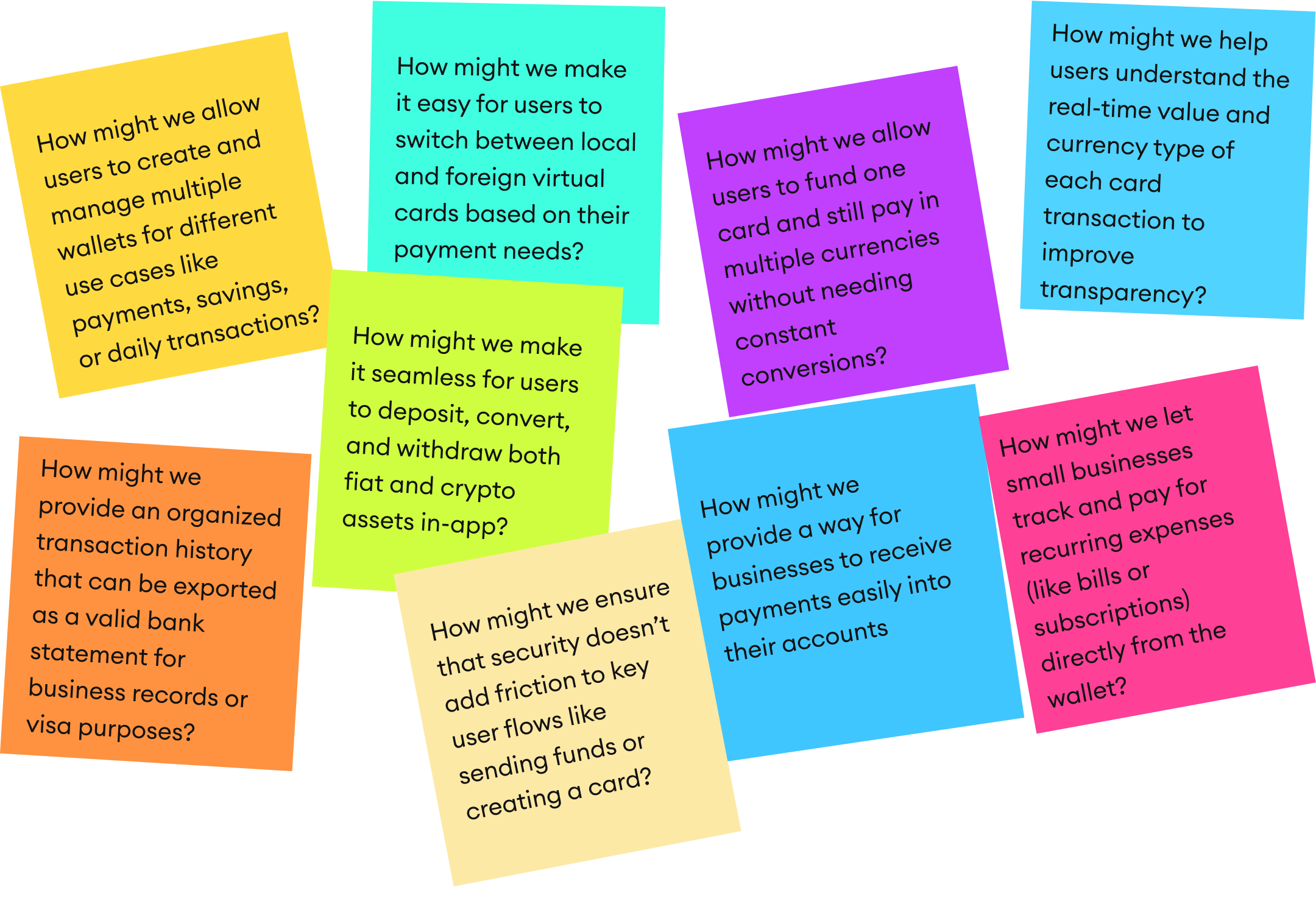
We gathered insights from the CEO, PM, and CTO to align on a central question: How might we make it seamless for users to manage, spend, and withdraw their crypto and fiat assets without technical friction?
  • Regulatory Complexity: Navigating the shifting landscape of crypto compliance in Africa required a design that was both transparent for regulators and seamless for users.
  • The Trust Deficit: High rates of digital fraud meant the UI had to over-communicate security without adding friction.
  • Technical Literacy Gap: We had to build for users who understand "sending money" but are intimidated by "blockchain," "gas fees," and "seed phrases."
  • The Liquidity Wall: Most users earned in crypto but couldn't pay for local services (electricity, data, groceries) without multiple, expensive third-party swaps.
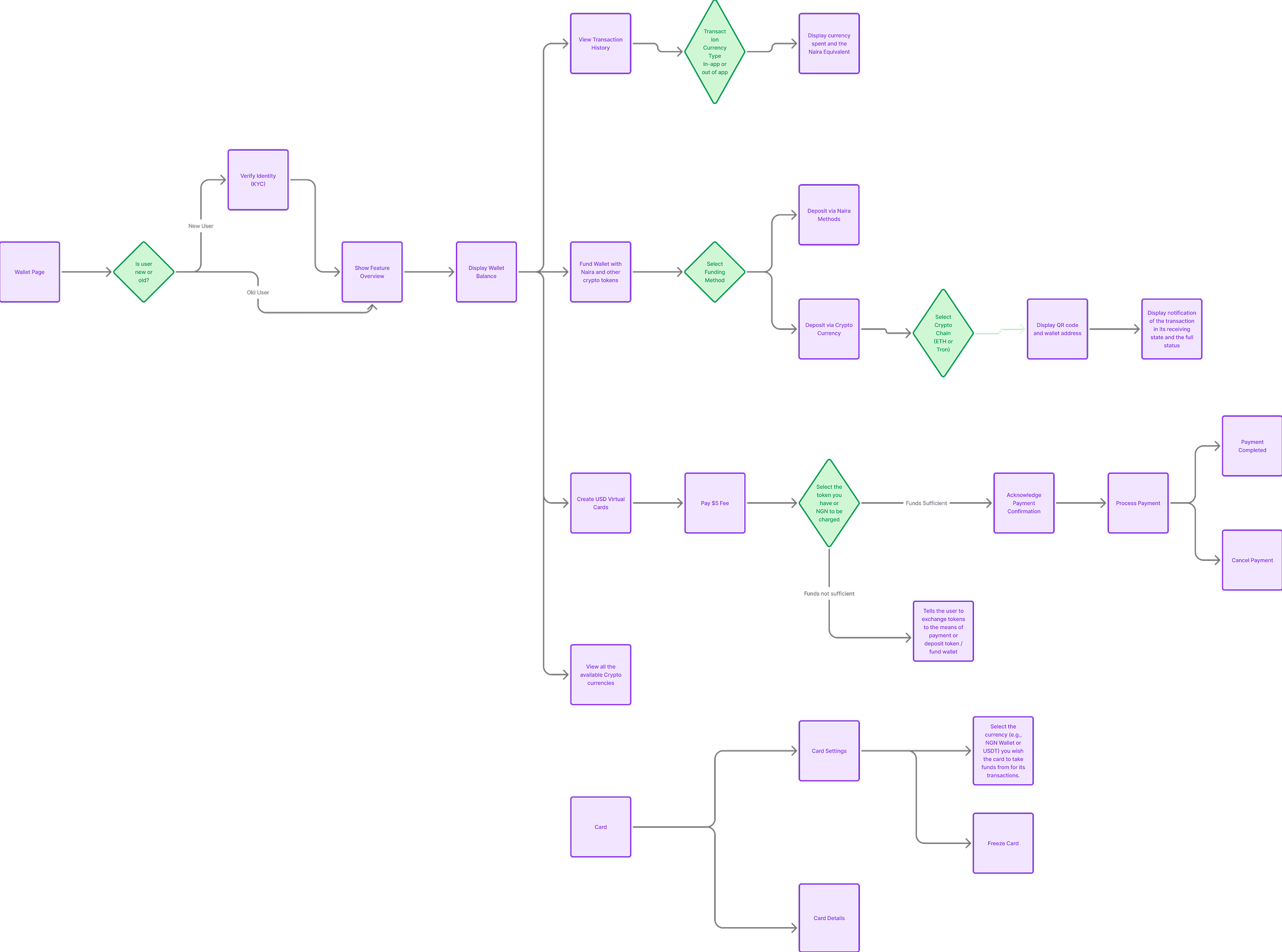
Understanding the User Journey (User Flows)

Before a single pixel was moved, I mapped out the General User Flow. This was the most critical part of the research phase to ensure the app could handle complex logic behind a simple interface.
  • Logic Mapping: I mapped every entry and exit point, from on-ramping fiat to off-ramping crypto.
  • Condition Handling: The flow accounts for various "what if" scenarios, such as insufficient balances for a specific asset, triggering an automatic suggestion to swap or top up rather than hitting a dead end.
  • Connectivity: By visualizing the links between the Virtual Card and the Bill Payment Hub, I identified opportunities to consolidate steps, leading to our "under 3 taps" payment goal.

Design Execution: Making Digital Money Work for Daily Life

Prioritizing Daily Utility Over Technical Complexity I moved Kwikpik beyond a simple wallet to become a daily financial companion. By focusing on a "spending-first" interface, I prioritized the immediate needs of users paying for data, settling utility bills, and moving money.

Universal Liquidity: Spend Anything, Anywhere

The Problem: Users felt "trapped" in their digital assets because they had to manually calculate and swap tokens before paying for simple subscriptions.

The "How": I designed a Universal Conversion Engine that allows users to pay for bills or subscriptions using any asset (BTC, ETH, or USDT).

My Simplified Approach: I merged "Swap" and "Pay" into a single action, treating the wallet as one unified pool of money rather than a collection of separate tokens.

Secure Local Off-Ramps (Frictionless Swaps)

The Problem: Freelancers earning in USDT often fall victim to scammers on risky P2P platforms when trying to convert earnings to Naira.

The "How": I designed a Simplified Swap-to-Bank flow for instant conversion into NGN at transparent rates.

My Simplified Approach: I replaced the high-anxiety P2P process with a safe, internal "safe haven" loop, giving users total control over their liquidity without needing to trust a third party.

Secure Local Off-Ramps (Frictionless Swaps)

The Problem: Freelancers earning in USDT often fall victim to scammers on risky P2P platforms when trying to convert earnings to Naira.

The "How": I designed a Simplified Swap-to-Bank flow for instant conversion into NGN at transparent rates.

My Simplified Approach: I replaced the high-anxiety P2P process with a safe, internal "safe haven" loop, giving users total control over their liquidity without needing to trust a third party.

Global Spending Power (Virtual Cards)

The Problem: Managing essential expenses like data or electricity usually required jumping between multiple banking apps, creating massive friction.

The "How": I built a Comprehensive Bill Payment Hub that supports everything from Airtime and Data to Health Insurance.

My Simplified Approach: I introduced "Contextual Shortcuts" on the dashboard, pinning frequent bills to the home screen to turn a 2-minute menu search into a 10-second task.

Daily Utility & Bill Payments

The Problem: Managing essential expenses like data or electricity usually required jumping between multiple banking apps, creating massive friction.

The "How": I built a Comprehensive Bill Payment Hub that supports everything from Airtime and Data to Health Insurance.

My Simplified Approach: I introduced "Contextual Shortcuts" on the dashboard, pinning frequent bills to the home screen to turn a 2-minute menu search into a 10-second task.

Daily Utility & Bill Payments

The Problem: Managing essential expenses like data or electricity usually required jumping between multiple banking apps, creating massive friction.

The "How": I built a Comprehensive Bill Payment Hub that supports everything from Airtime and Data to Health Insurance.

My Simplified Approach: I introduced "Contextual Shortcuts" on the dashboard, pinning frequent bills to the home screen to turn a 2-minute menu search into a 10-second task.

Smart Multi-Network Support

The Problem: "Network mismatch" errors (sending ERC-20 to Solana) are a leading cause of permanent loss of funds and user anxiety.

The "How": I designed an Intelligent Deposit & Withdrawal Interface that auto-adjusts based on the selected network.

Simplified Approach: I added "Address Validation" guards that warn users if they are about to send funds to an incompatible network, providing a vital safety net.

Outcome

  • From Wallet to Financial Home: By centering the design on daily bills and global spending, we shifted the user perception from a "crypto storage app" to an essential financial companion.
  • Friction as the Enemy: Every design decision was measured by how many taps it took to get a real-world result. We successfully reduced the time it takes to settle a bill by over 50%.
  • Retention Growth: Virtual card adoption increased weekly active users (WAU) by 35% within the first quarter.

Reflections

Ego is an enemy

I prioritized honesty and trust in collaboration with the CEO and CTO to ensure the best ideas reached the user.

MVP Over Guessing

It was tempting to design for every edge case, but the priority was a clear, lean, usable version that actually solved the "Liquidity Wall".

Other Works

Hit me up let's create something, fun, magical, a
digital solutions that would truly relate to the users and take
the business to the next level

LETS TALK - LETS BUILD LETS TALK - LETS BUILD LETS TALK - LETS BUILD