Collect: Unified Payment Infrastructure for Emerging Markets

Re-engineering payment systems and enterprise account management to scale commerce for businesses across the African continent

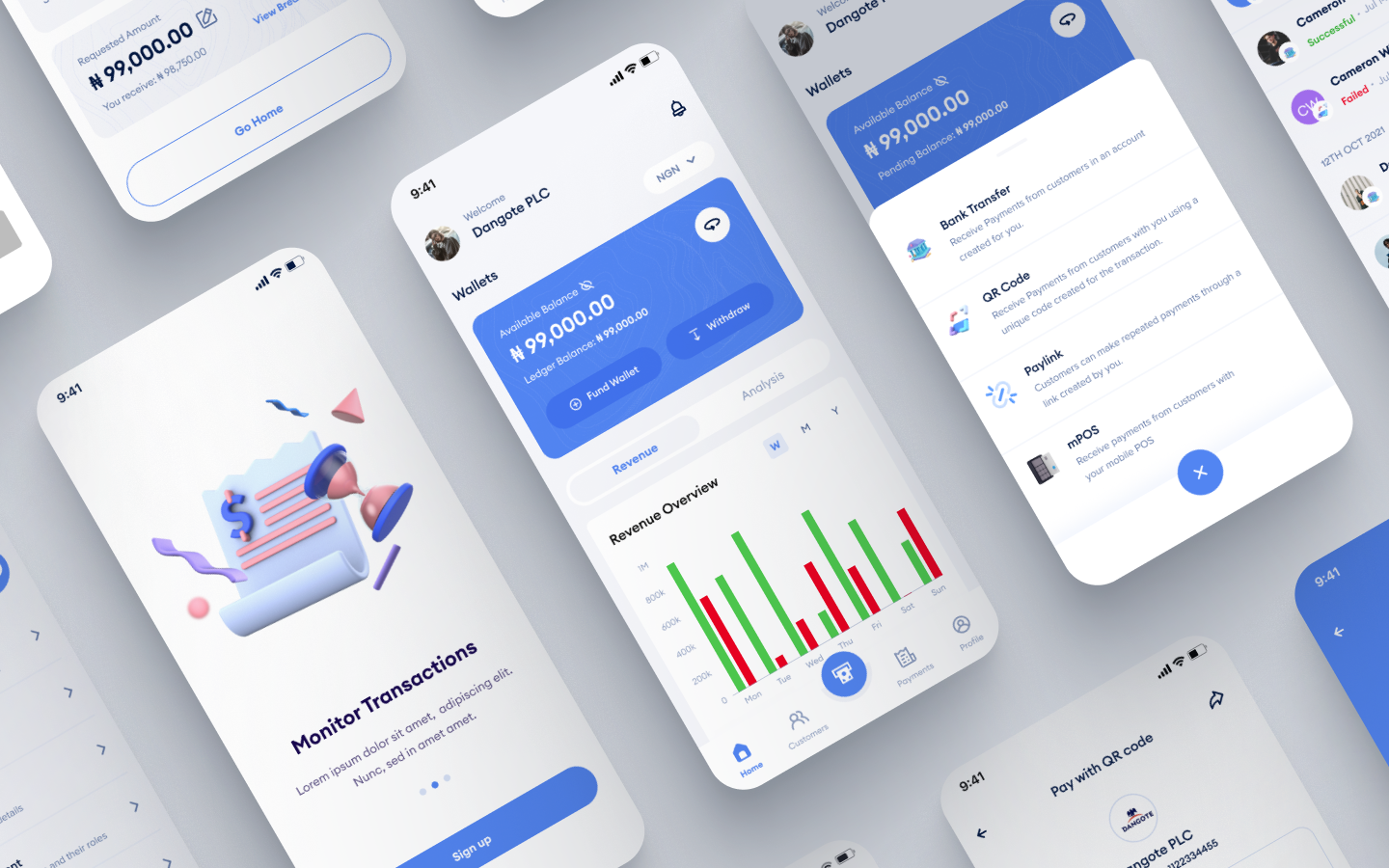
Collect is a fintech infrastructure engineered to resolve payment friction for African businesses. By unifying fragmented operations and automating manual bottlenecks, empowering enterprises to scale.

In a market where fragmented payment rails and auditing hurdles stifle growth, Collect provides the critical infrastructure for businesses to scale. I led the product’s evolution from a conceptual framework into a high-velocity financial ecosystem. By prioritizing operational utility, I designed a unified system that integrates multi-channel payment acceptance, automated reconciliation, and real-time capital management.

Role

UI and UX Research

Client

Collect Africa

Duration

3 months

Year

2021
Quick Read
Full Case Study

Solving Fragmented Liquidity in a High-Growth Market

In a landscape of fragmented rails and manual reconciliation, Collect provides the infrastructure for businesses to scale. I led its evolution from a concept into a high-performance ecosystem, shifting the mental model toward unified financial orchestration. This framework bridges traditional commerce and digital standards, integrating multi-channel acceptance, bank transfers, POS, and online links, with automated tools for reconciliation and real-time capital management.
  • The Problem: Fragmented rails (too many ways to pay that don't talk to each other) and manual bottlenecks (auditing is a nightmare for these businesses).
  • The Constraints: Navigation of local regulatory shocks and technical integration hurdles (e.g., integrating multiple APIs like Mono and Okra to ensure uptime).
  • The Mental Model: Moving users from viewing payments as a "chore" to seeing them as a "growth lever" through unified data.
  • The Strategic Role: Your role in evolving the product from an idea (Direct Debit) into a full-suite "Financial OS".

Design Execution: Translating Strategy into High-Velocity Tools

Moving beyond a collection of APIs to build a unified business command center. I focused on stripping away "transactional noise" so African enterprises can manage multi-channel liquidity with the same ease as a single bank account.

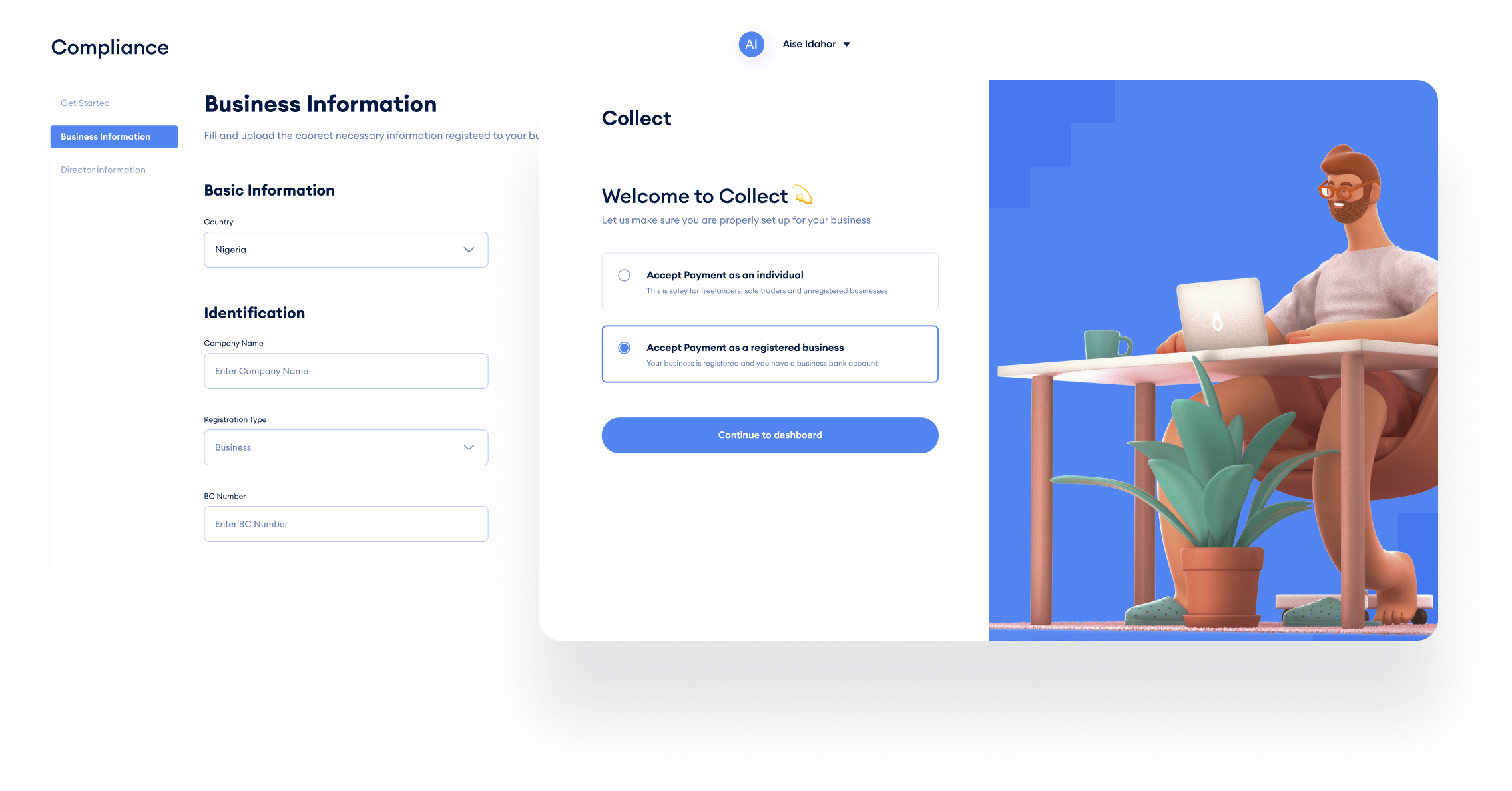
Onboarding: Getting Businesses Started, Fast.

The Problem: The original design suffered from high drop-off rates because it forced every user through a rigid flow that demanded sensitive corporate data like director signatures and officer info upfront.

The "How": I introduced a clear choice between "Business" and "Individual" paths to tailor requirements. This meant a freelancer could skip corporate-heavy hurdles like "Memorandum of Association" or "Director BVNs" that are strictly for registered companies.

My Approach: Using progressive disclosure, I grouped fields into logical steps so users only see what is relevant to their specific track. By saving progress at every stage, I ensured that if a user needs to pause to find a document, they never have to start the process over.

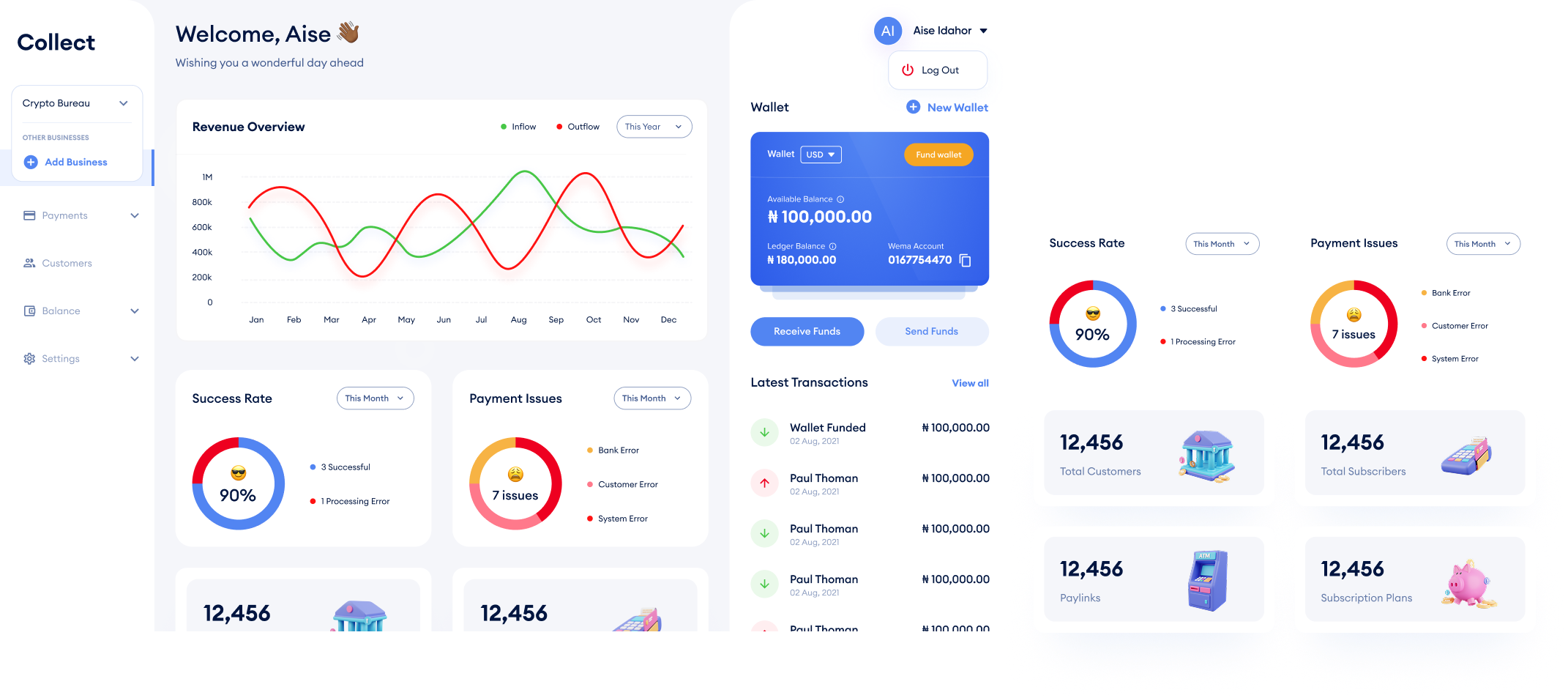
A Dashboard Built for Clarity

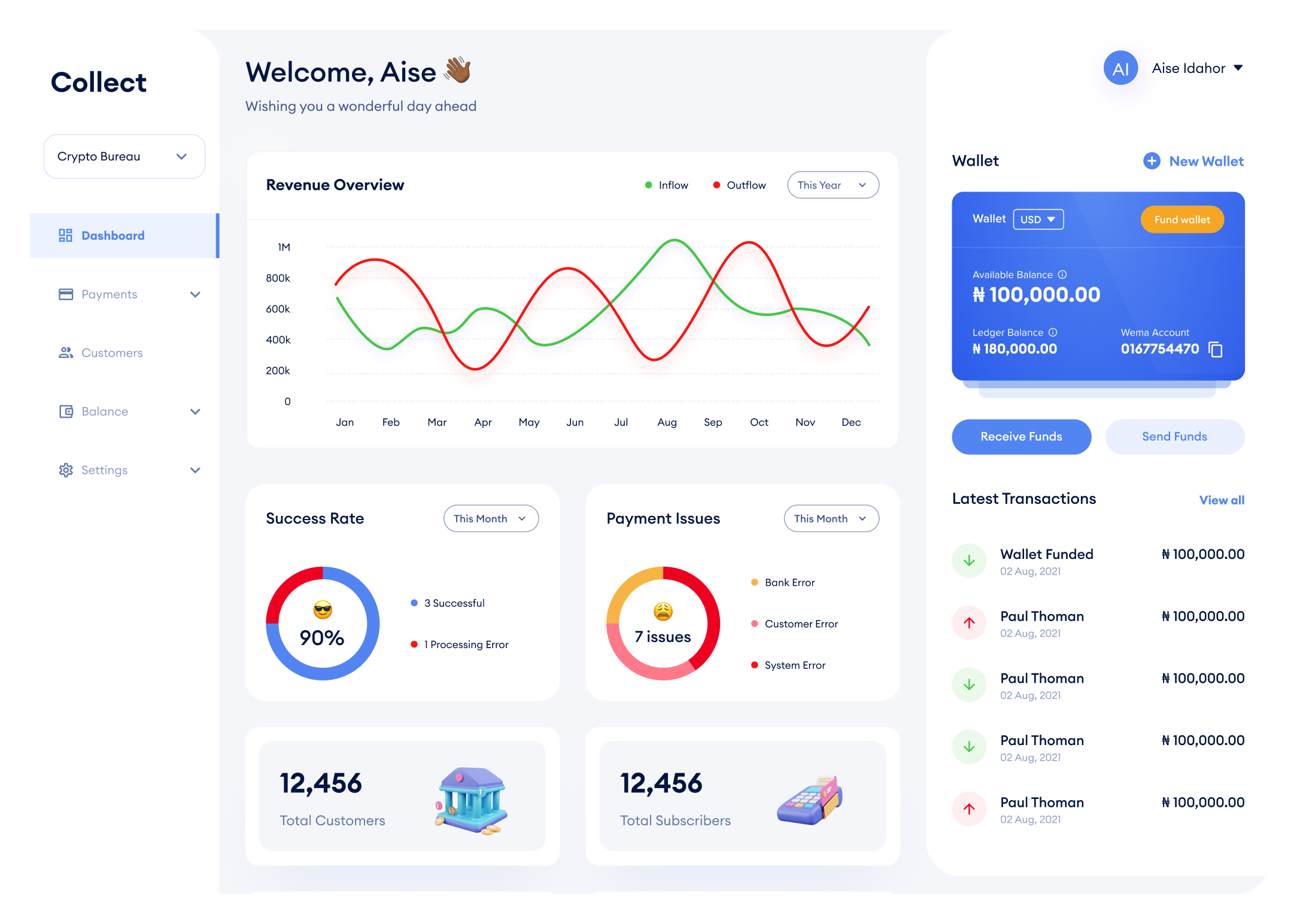
The Problem: Most dashboards act like cluttered spreadsheets, overwhelming users with raw data and making it impossible to spot critical trends or payment failures at a glance.

The How: I shifted to a "glanceable" UI, replacing dense tables with high-impact visualizations like live revenue trends and success rate rings to tell a clear story of business health.

My Approach: I prioritized speed to action by placing mission-critical metrics at the top. To support power users and accountants, I added a sidebar switcher that allows them to jump between multiple entities or add new businesses instantly without leaving their workflow.

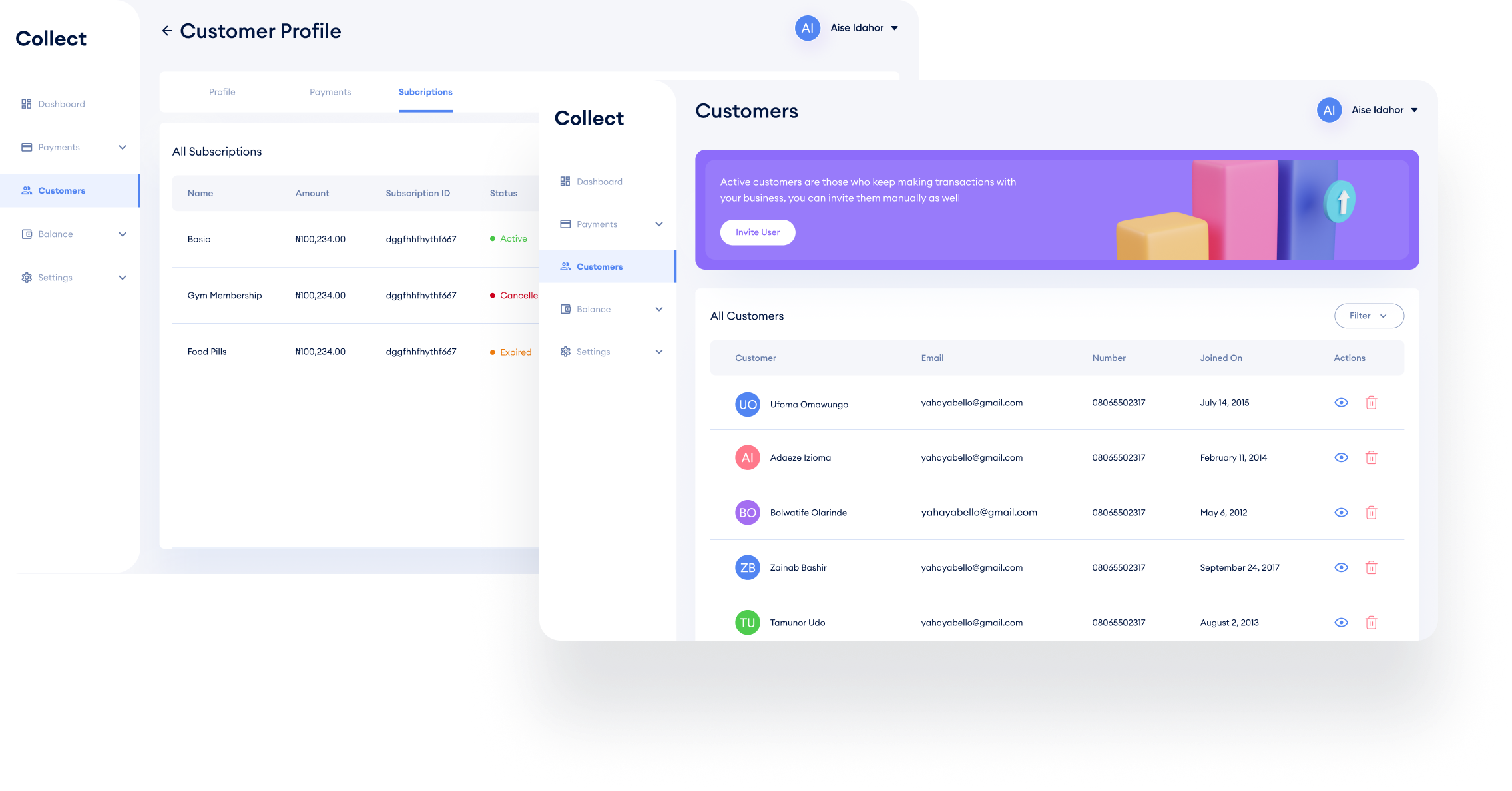
Customer Relationship Enablement

The Problem: Most dashboards treat customers as static data points rather than relationships. For subscription-based businesses, failing to engage existing users is a costly mistake that forces a constant, expensive hunt for new leads.

The How: I integrated a CRM that enables direct email and SMS messaging from the dashboard. This centralizes communication into a single thread, ensuring businesses stay connected without jumping between multiple apps.

My Approach: I prioritized retention as a growth strategy. By automating personalized outreach for milestones like birthdays and holidays, I helped businesses focus on their "customer retro" keeping current users happy and reducing the need for high-cost acquisition.

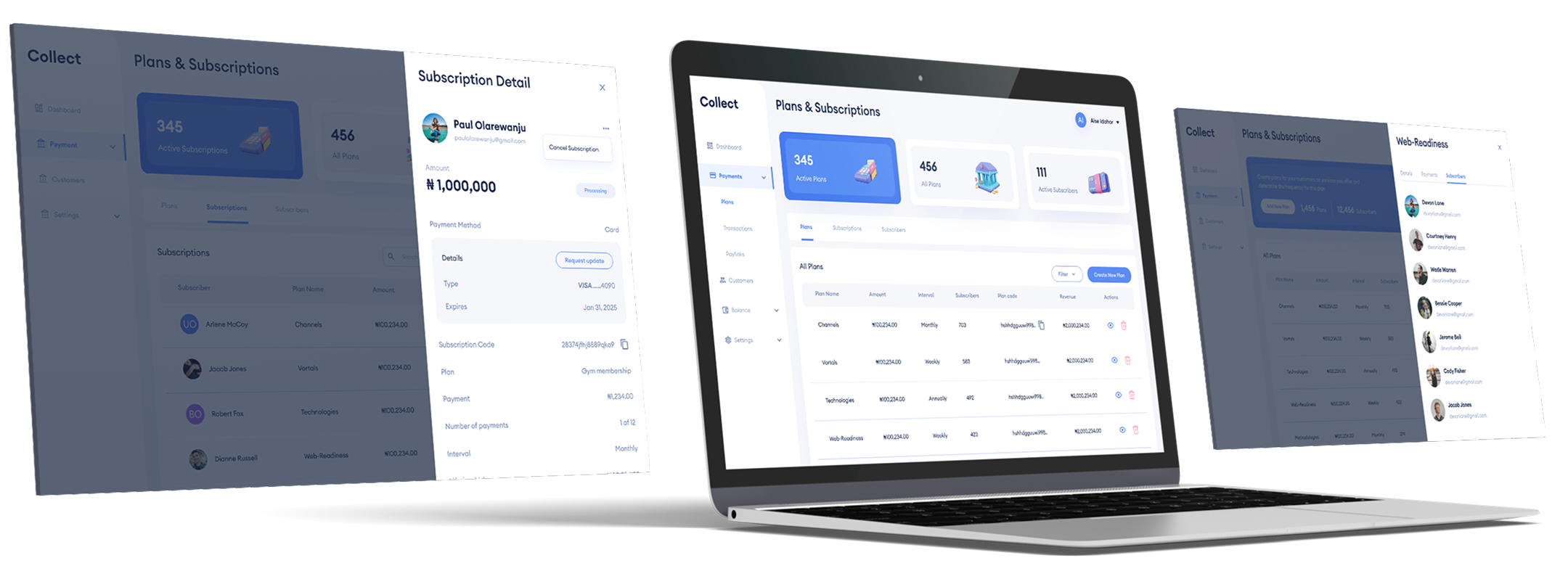
Automated Revenue with Plans & Subscriptions

The Problem: Managing recurring services is a logistical nightmare. For many businesses, tracking who is subscribed to what and which payments have cleared feels like a manual guessing game, leading to missed revenue and broken service cycles.

The How: I built a centralized hub that gives businesses a bird’s-eye view of their entire subscription ecosystem. It provides a transparent list of every subscriber and their full payment history, ensuring the team can monitor the health of each service in real time.

My Approach: I focused on maintaining a continuous lifecycle rather than reacting to churn. By automating custom reminders at 1-week, 3-day, and 1-day intervals, I ensured subscribers are always aware of upcoming renewals, keeping them active and engaged without the business ever having to lift a finger.

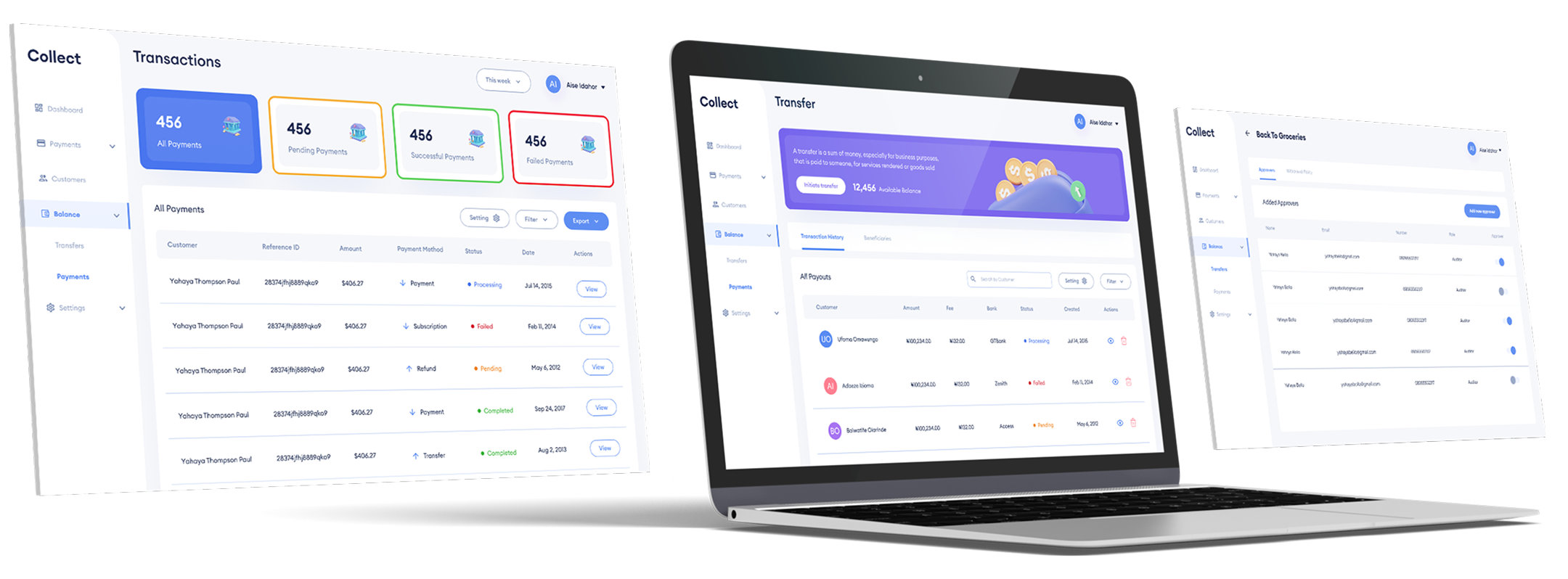
Global Payments and Transfers

The Problem: Moving money between global branches or paying international vendors is often fragmented. Without a unified system, businesses struggle to track cross-border flows or maintain oversight, leading to accounting gaps.

The How: I designed a unified payment engine that enables transfers to bank accounts across Africa and beyond directly from the dashboard. This allows entities in different locations, like Abuja to New York, to initiate transactions from a single account.

My Approach: I prioritized security through custom approval chains, ensuring necessary parties sign off before funds are sent. Every transaction is automatically documented, creating a transparent audit trail that simplifies global accounting.

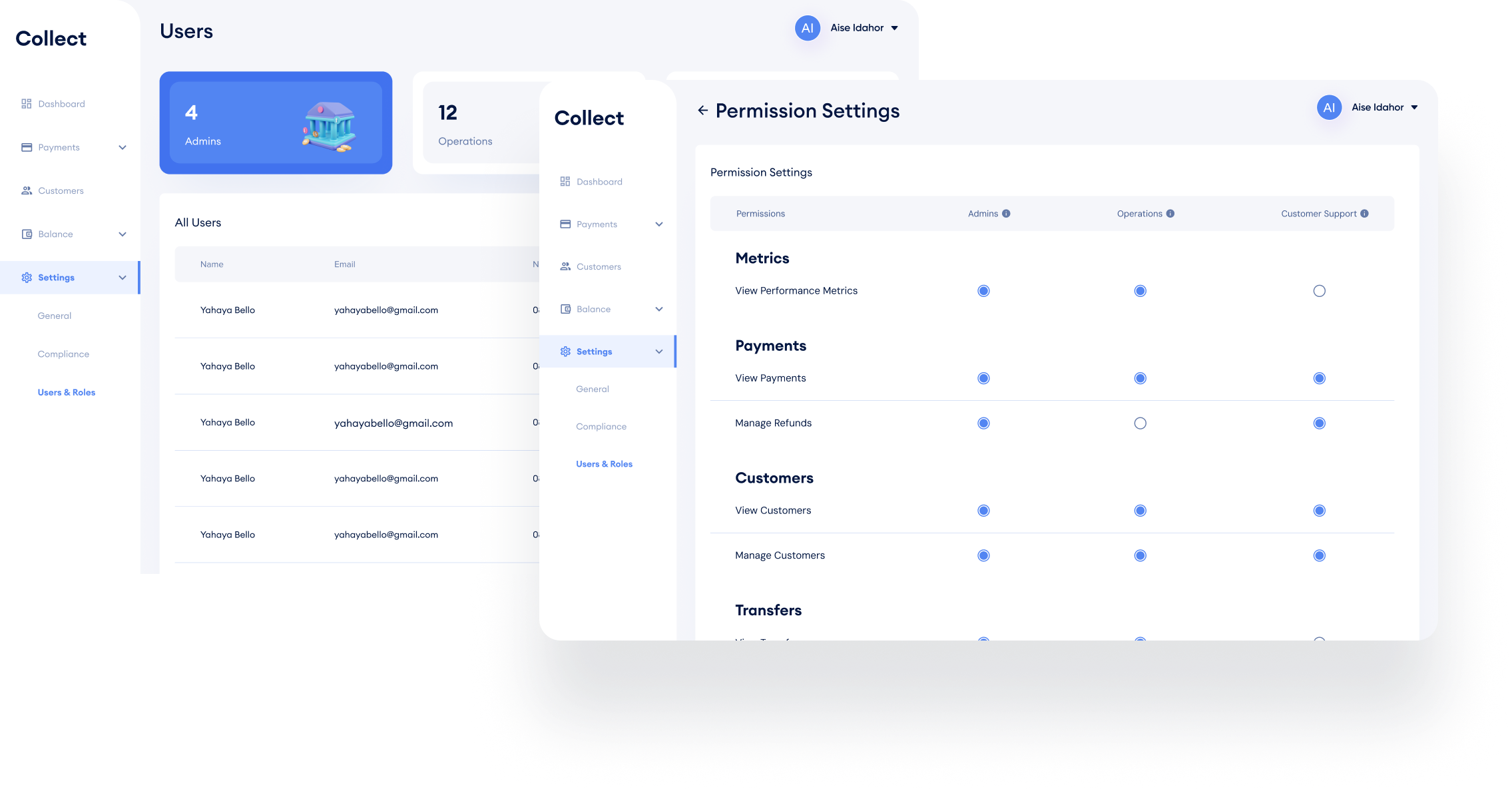
Collaborative User Management

The Problem: Managing financial data is a security risk when access is "all or nothing". Both small teams and global corporations struggle to delegate tasks without exposing sensitive information or creating bottlenecks.
The How: I built a granular permission system that allows businesses to scale safely. Organizations can assign specific roles like Accountants or Ops, ensuring team members only access data relevant to their branch or function.

My Approach: I focused on precision and control. By allowing for custom roles and specific action-based permissions, I ensured the dashboard remains a secure, optimized workspace for every user, regardless of team size.

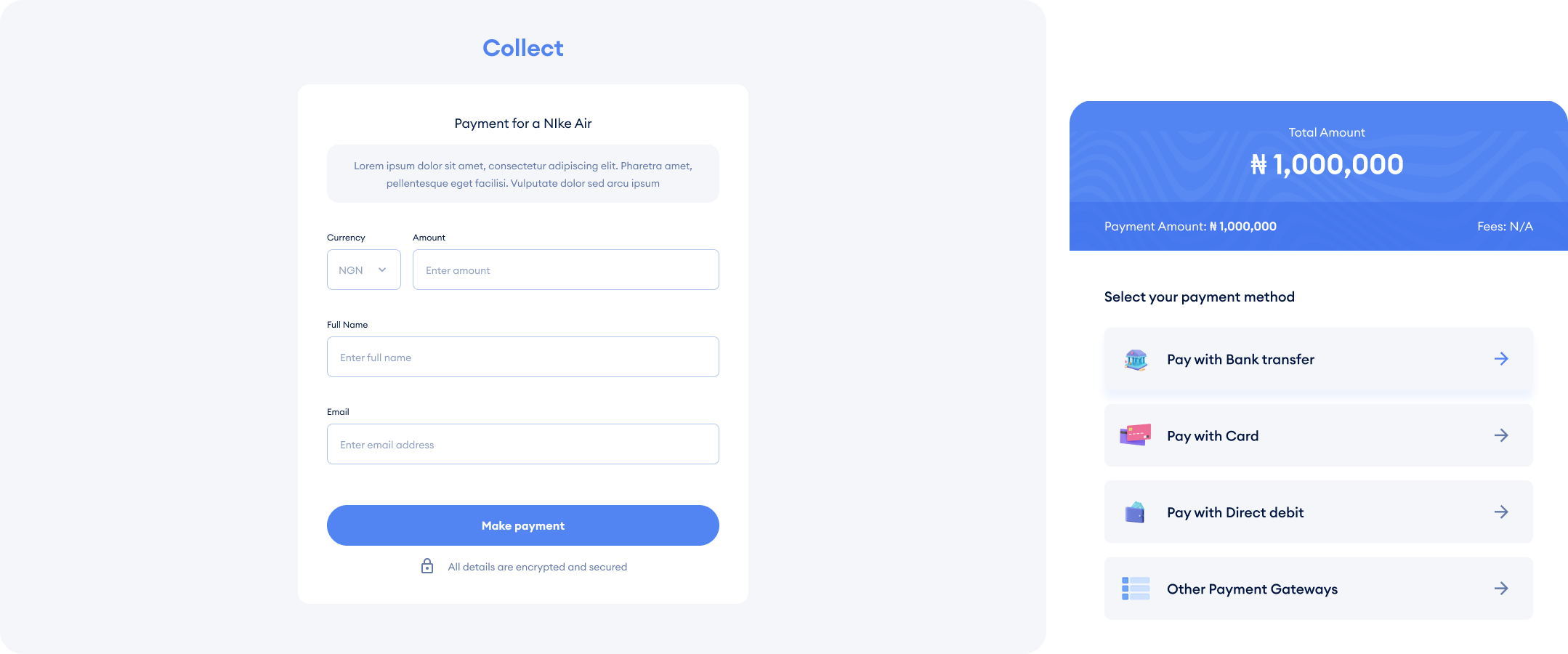
Frictionless Payment Links

The Problem: Manually generating invoices for every transaction is a time sink. Traditional billing lacks the flexibility customers expect, often forcing them into rigid payment methods that create friction at checkout.

The How: I designed a versatile Payment Link system that acts as a reusable portal. Businesses can share a single link that supports multiple payment methods, allowing customers to pay via their preferred channel, saving time and reducing administrative stress.

My Approach: I prioritized adaptability for B2B and eCommerce. The system allows businesses to set fixed amounts or let customers define the value, making it perfect for both service-based billing and integrated eCommerce checkout flows.

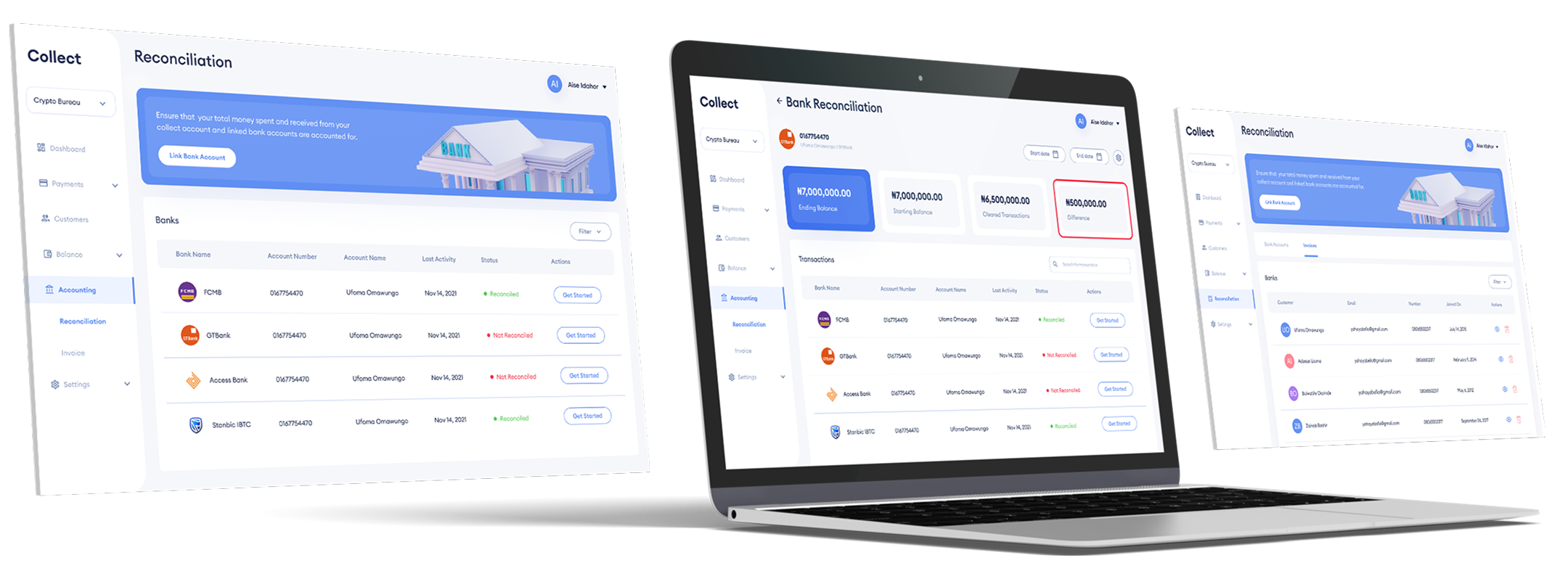
Account Reconciliation & Balancing

The Problem: Fragmented financial data is a silent killer for growth. When digital and offline payments live in separate silos, businesses cannot see their true balance, making long-term planning nearly impossible.

The How: I developed a reconciliation engine that links external bank accounts directly to the platform. This automatically captures and cross-references every digital movement against internal records to ensure accuracy.

My Approach: I created an all-encompassing source of truth. By providing a dedicated path to register cash payments alongside digital transactions, I ensured the system remains scalable and audit-ready, regardless of how a business collects its revenue.

An Iterative Design Framework Adopted

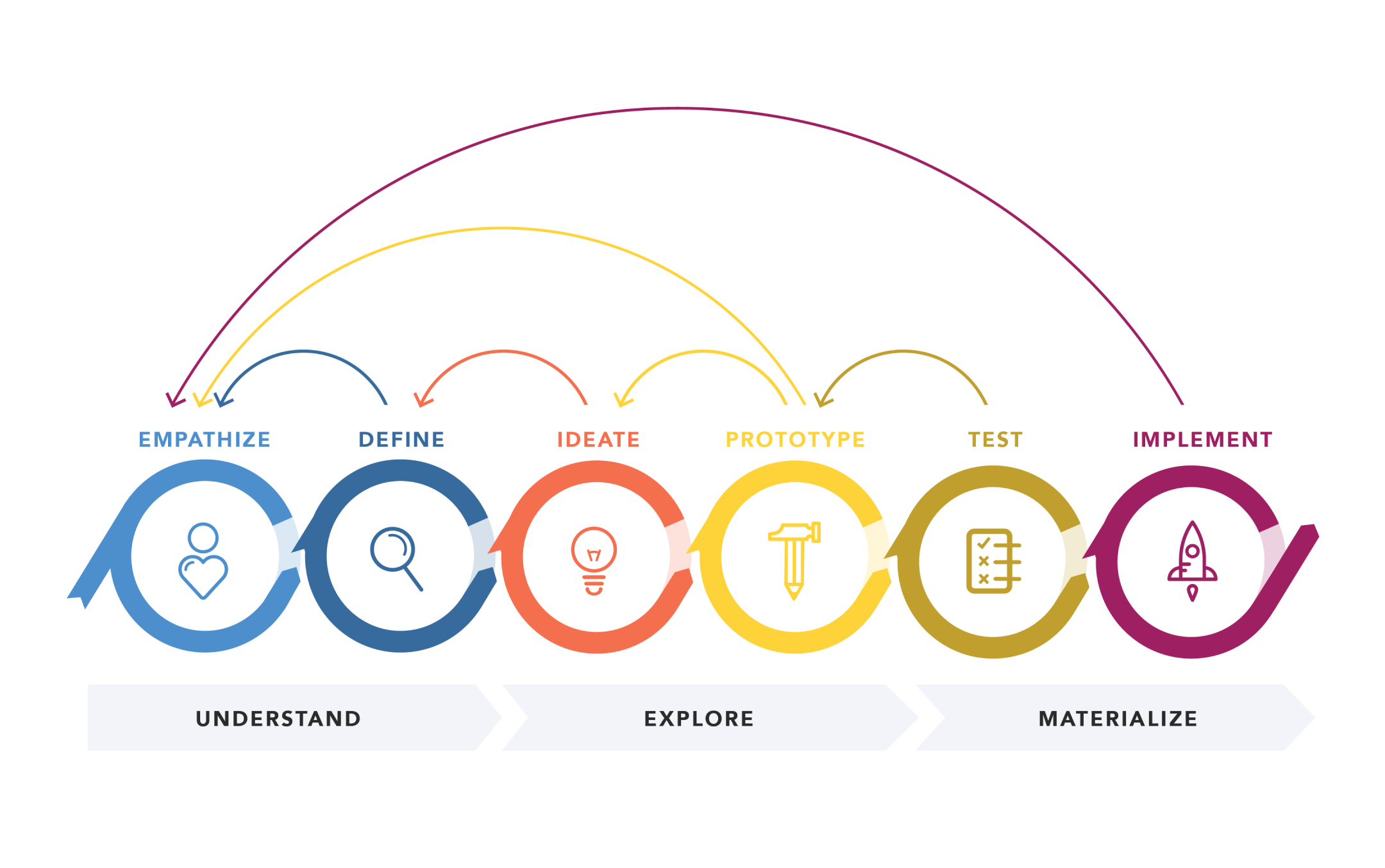
In high-stakes fintech, a linear process is rarely sufficient. I utilized an approach, which allowed for constant feedback loops between research insights and engineering constraints. This methodology ensured that we "Empathized" and "Defined" before moving into "Ideation" and "Execution".

Understanding The Problem

Many businesses struggle with fragmented financial operations. Receiving and validating international payments is often burdensome, leading to delays that disrupt service delivery.

As organizations scale across multiple states or countries, documenting transactions and maintaining a unified accounting system becomes increasingly difficult, preventing them from reaching their full potential.

The Goal

The goal was to create a unique solution, focusing on businesses and having a one-stop product to help them manage their financial activities, make sending money to wherever in the world easy, and receive money from customers in whatever country as seamless as possible.

We aim to help businesses with several outlets, and instead of having to always go to the banks and have the whole signatory account long procedures, we have a means whereby  you have one product, control all the financial activities, and account for all transactions in all the outlets in one space easily, to help you easily manage and balance your account, by so doing, expanding your business and taking it to greater heights

Lastly, what's a business without customers, we aim to help you manage and establish relationships with your customers.

The Goal

The objective was to create a centralized, one-stop financial hub that simplifies global fund movement. By consolidating control for businesses with multiple outlets into a single platform, I aimed to replace slow, manual bank procedures with real-time oversight.

Ultimately, the goal was to give businesses the transparency they need to manage every transaction, balance their accounts, and nurture deeper customer relationships from one space.

Bridging Strategy and Execution

Designing Collect was a collaborative mission to transform fragmented financial operations into a seamless experience. As the sole designer, I led the strategy and execution alongside stakeholders and developers to ensure every pixel served a business goal.

Discovery & Research

I deconstructed the "data fog" using context studies and competitive audits to identify where traditional banking fails growing enterprises.

Synthesis & Analysis

I deconstructed the "data fog" using context studies and competitive audits to identify where traditional banking fails growing enterprises.

Ideation & Mapping

I defined the feature narrative, turning complex financial data into proactive, value-driven tools for the end user.

Design

I created high-fidelity prototypes and flows to provide a precise technical blueprint for the engineering team.

Feedback

I facilitated stakeholder reviews and field testing to refine the balance between automation and necessary manual oversight.

Iteration

I focused on UI refinements and precision copywriting to ensure every interaction reduced administrative stress.

Validating with Data

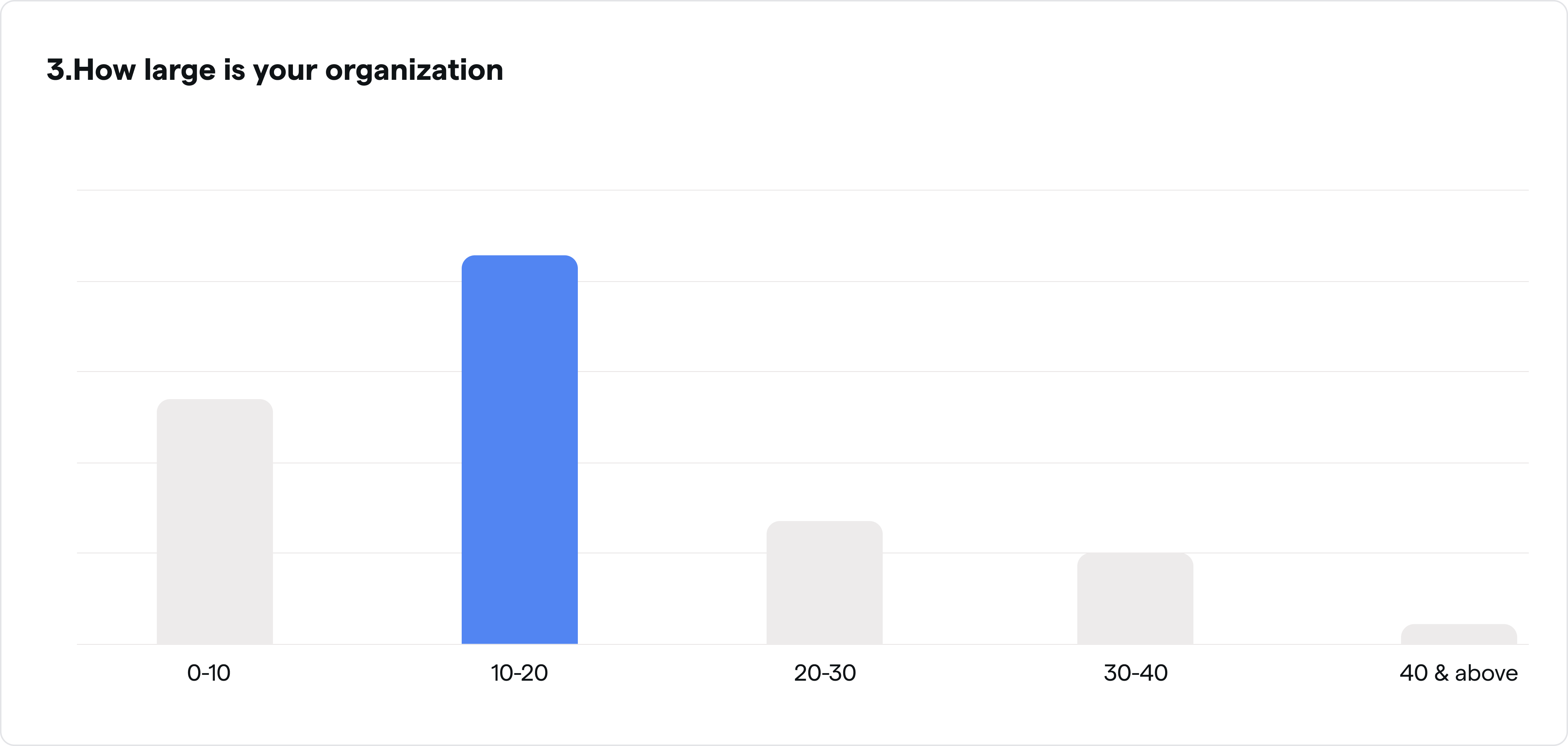
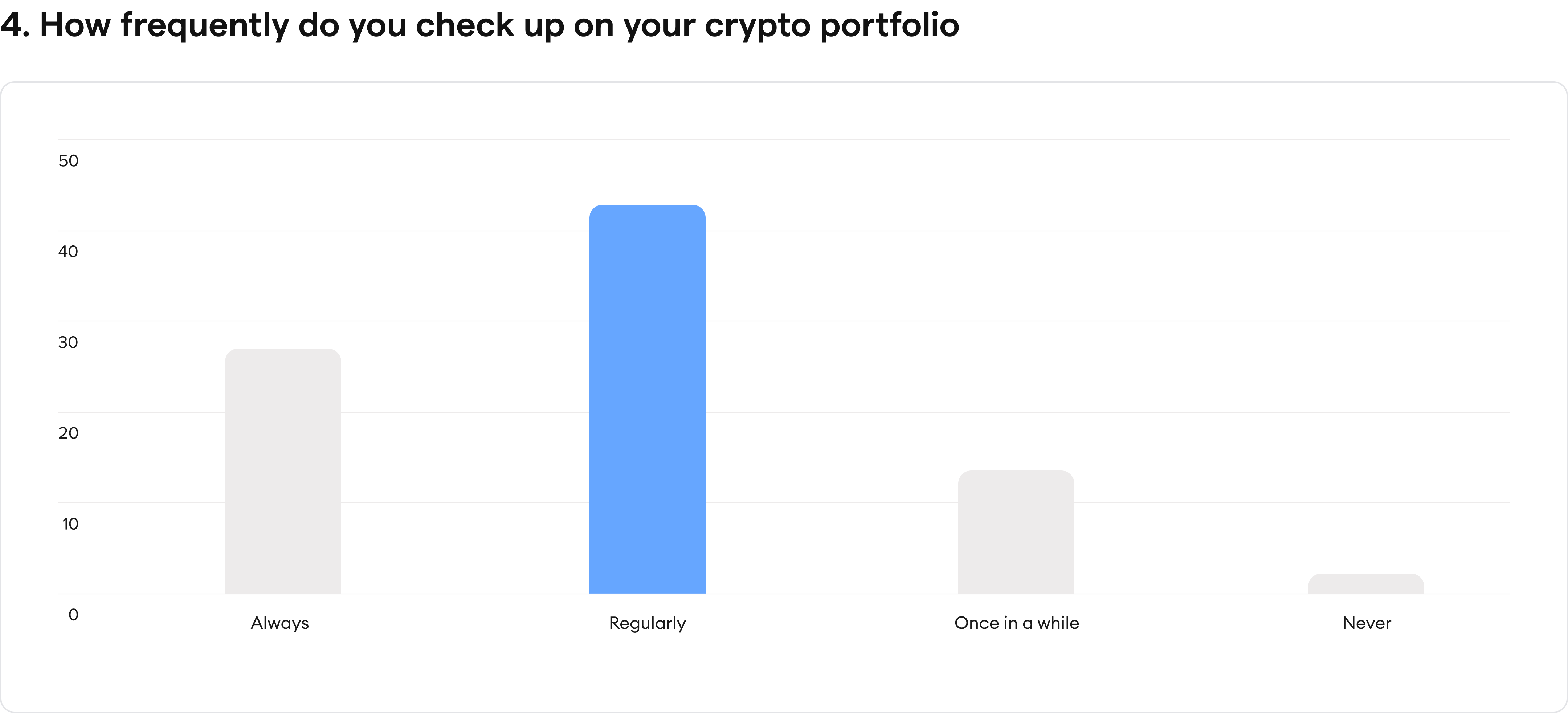
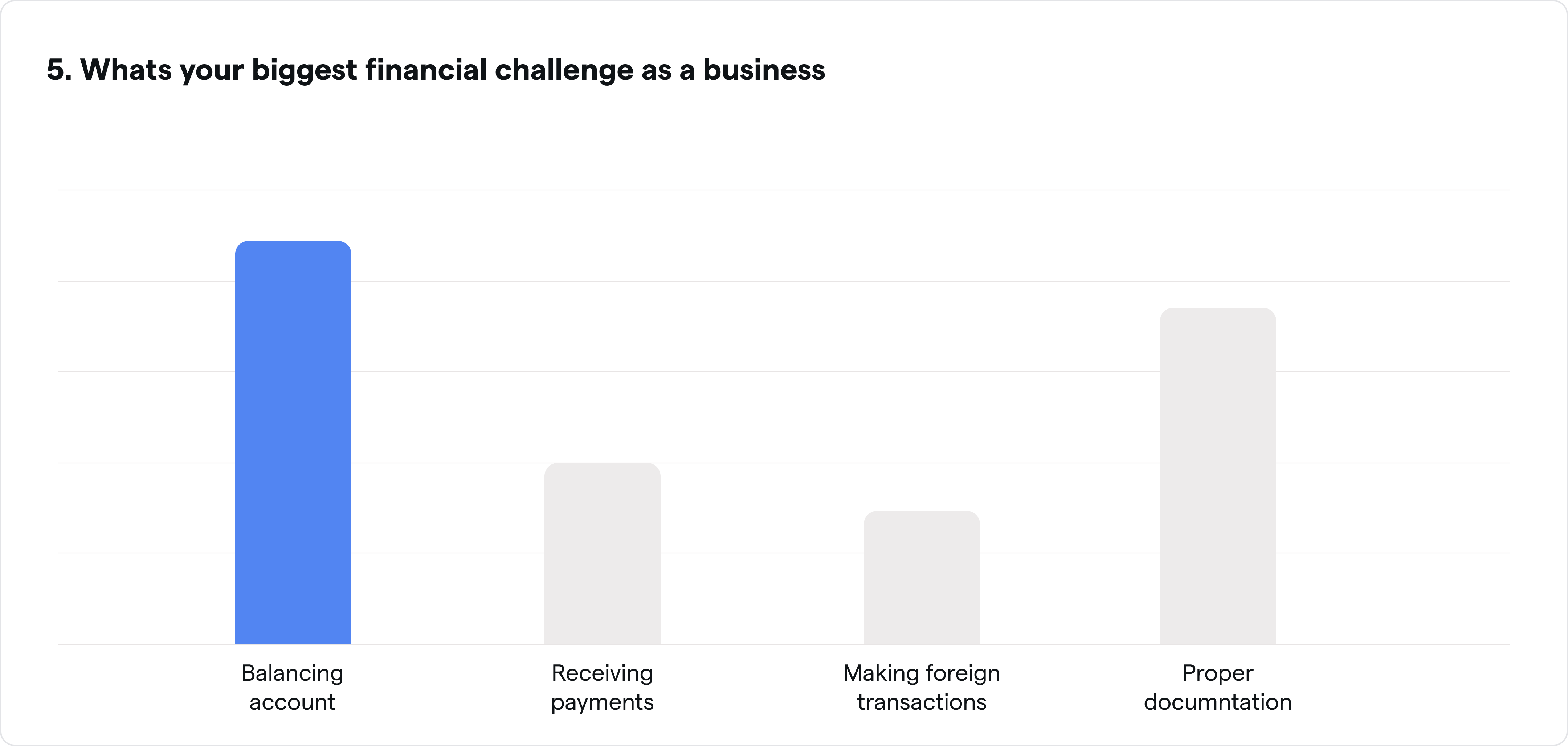
I collaborated with the Product Manager to pressure-test the brief against real-world data. By leading a quantitative research phase, I moved past assumptions to identify exactly where traditional banking was failing our users.

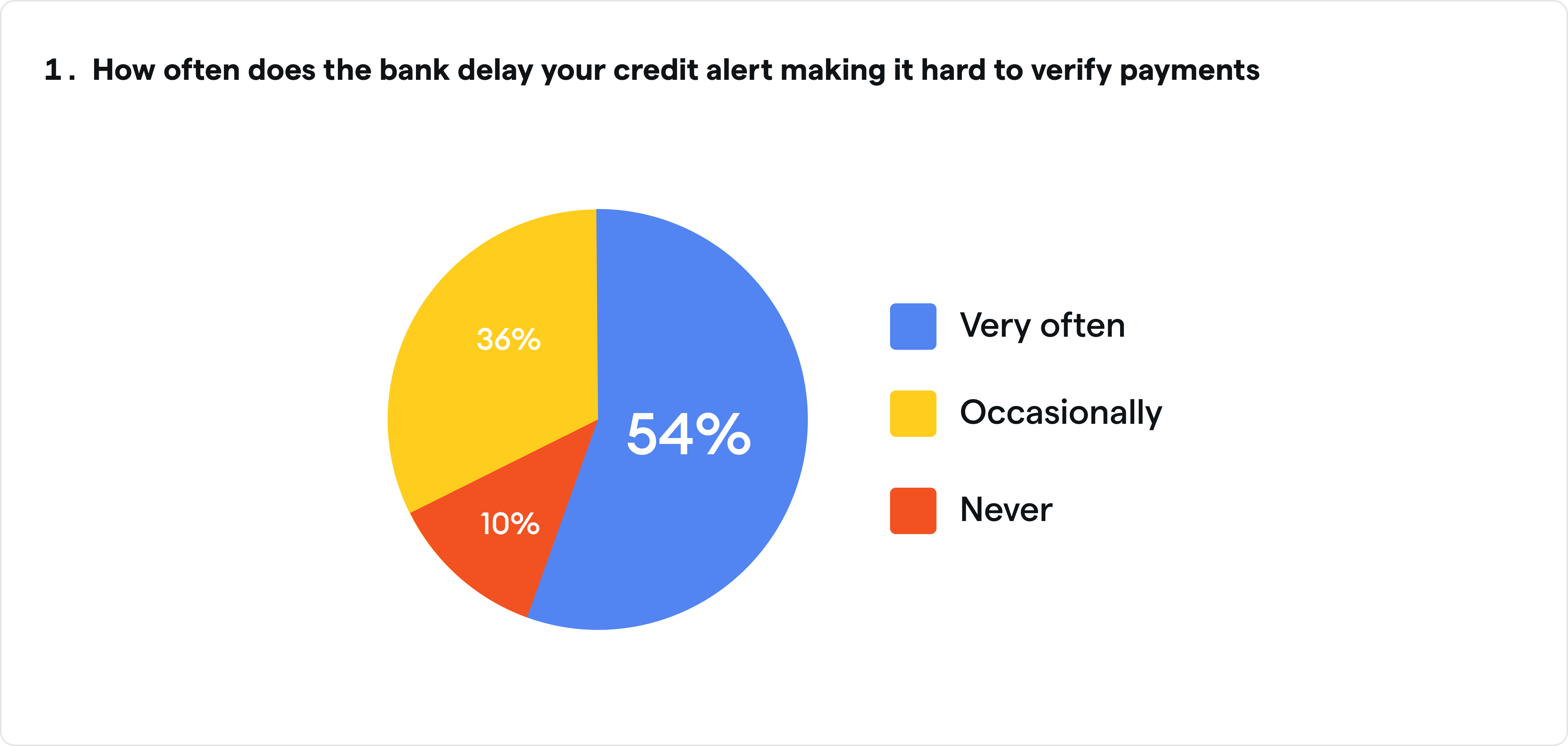
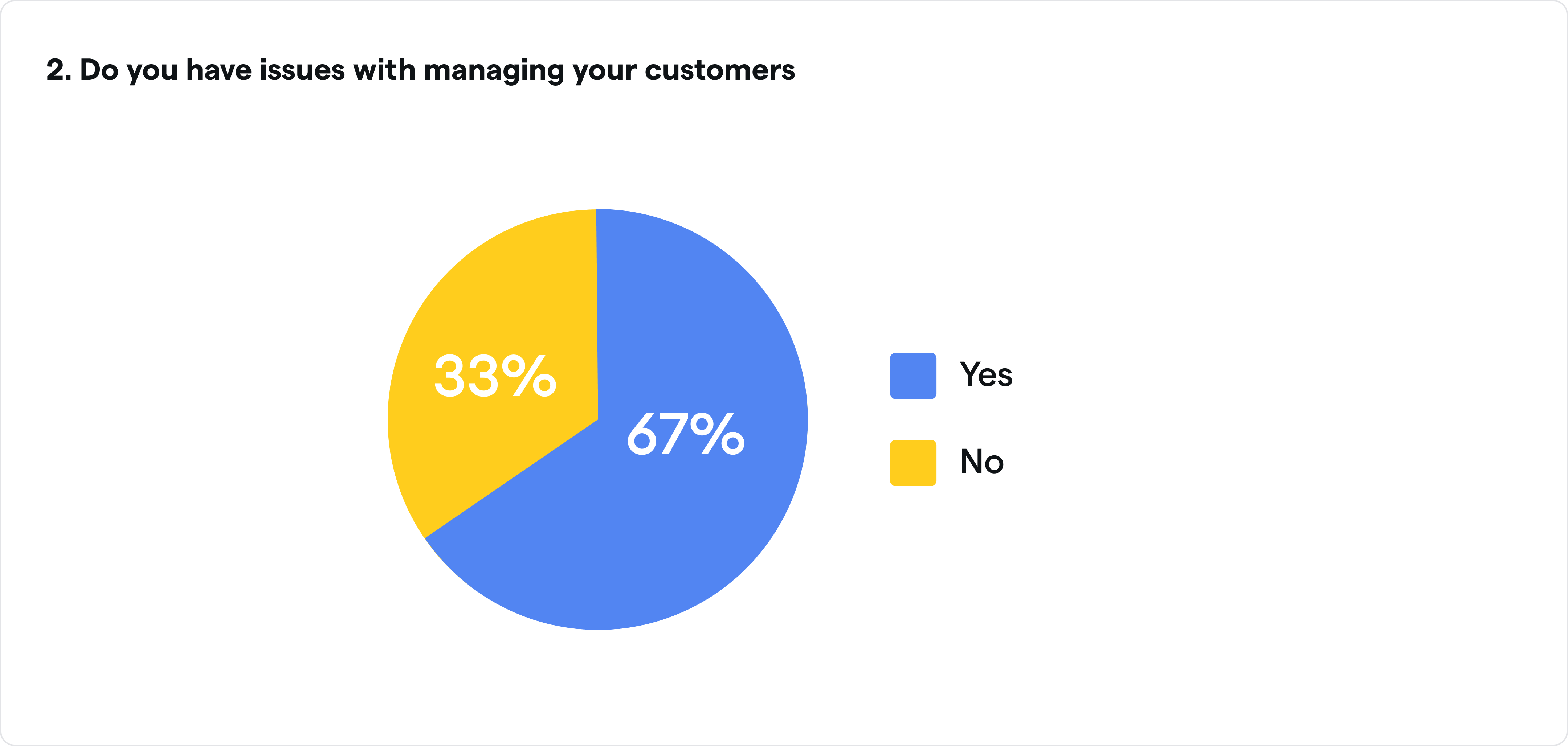
Using targeted surveys, I aligned user frustrations with business goals. This data-backed approach allowed us to prioritize high-impact features like instant verification, that directly solved the frequent bank delays reported by the majority of our target market.

Major Pain Point

Research revealed the structural barriers preventing businesses from scaling. These findings highlight the disconnect between traditional banking and modern commerce.
  • Data Fragmentation: Multi-branch businesses lack a unified accounting system, creating a "data fog" that hinders strategic planning.
  • Verification Bottlenecks: Over 54% of users report frequent bank delays in credit alerts, which stalls service delivery and creates friction during payment validation.
  • Reconciliation Burden: Manual tracking of international and cash transactions is time-intensive and highly prone to error.
  • Operational Silos: Disconnected digital and offline records prevent a transparent, audit-ready view of total cash flow.

Strategizing the Solution

After identifying the core pain points, I collaborated with the team to conduct "How Might We" sessions to distill our research into actionable design challenges, ensuring every proposed feature directly addressed a real-world friction point.
How might we allow businesses receive payments from foreign countries
How might we all businesses set up recurring payments for customers
How might we help businesses manage their businesses
How might we help organize the business to account for branches
How might we let businesses maintaing proper financial records
How can we let businesses balance account and reconcile payments

Competitive Analysis: Learning from the Landscape

Understanding how existing players address similar user needs allowed me to identify market gaps and define where our product could offer a more creative, improved solution.

Paystack Overview

Paystack is a technology company solving payments problems for ambitious businesses. Our mission is to help businesses in Africa become profitable, envied, and loved.By providing global and local payments for businesses.

Key Objectives

  • Providing worldwide payment services
  • Enabling payments methods integrated with all commerce services

Market Advantage

Structured themselves as a solution where you can get paid by customers from anywhere in the world

Strength

  • You can accept payments from internationally-issued cards or via Apple Pay.
  • E-commerce integrations to accept credit cards, debit cards, and money transfers.
  • Ability to set a one-time or recurring payments service on the e-commerce app or website.
  • Ability to split payments.
  • High security.

Weakness

  • Slightly higher transaction fees
  • The private status of the company limits its growth.
  • A poor mobile app that can increase the user base for small businesses and small stores.

Opportunities

  • Small markets and business owners that have just phones with a good and optimized app would be able to increase the user base.

Threats

  • Un-favorable government regulations.
  • Other competitors

Stripe Overview

Stripe brings together everything that’s required to build websites and apps that accept payments and send payouts globally. Stripe’s products power payments for online and in-person retailers, subscription businesses, software platforms and marketplaces, and everything in between.

Key Objectives

  • Providing payment gateway for eCommerce platforms
  • Providing billing and payments for SaaS businesses
  • Help marketplaces receive payments using their custom-built API
  • Provide financial reporting

Market Advantage

  • Stripe ensures maintaining contact with the audience by organizing an annual event where the users are familiarised with the new launches of Stripe and the company listen to the feedback of the users
  • Strengthening Brand Recognition and Loyalty with their blog and posts

Strength

  • Integration with eCommerce platforms
  • Power payments for your store and marketplace with Stripes API
  • Deliver exceptional customer experience.
  • Issue of corporate cards and covers almost all financial services including billings and invoicing.
  • Strong Partners’ Program:

Weakness

  • Their foreign currency conversion rate is 2% which is double that of some competitors.
  • Global presence
  • Integrations with open source API become a challenge to businesses and individuals who lack tech skills to develop and customize their products.

Opportunities

  • Global Expansion:
  • Do not properly optimize/account for small businesses whose operations occur over the phone

Threats

  • Increasing Competition:
  • Increasing Competition:Negative Reviews on Lack of Customer Support

Knowing My Personas

To ground my decision-making in real-world needs, I developed two distinct user personas based on my research findings. These profiles helped me empathize with specific user behaviors and ensured the product remained focused on solving actual human frustrations.

Marvin Oluimde

Marvin is a 32 year old business man in Lagos that runs a small business where he sells and delivers  wristwatches within and out of Lagos from his little store at Obalende Market

Goals and needs

  • Marvin needs a medium to receive payments from his customers all over the country who order his watches
  • Marvin is looking for a way to easily receive payments from other vendors who purchase similar from him regularly to resell
  • Receive payments from customers who want to pay with card or cash and  without mixing business account with personal.

Frustrations

  • Customers who come to the shop to pay, sometimes bank doesn't show the credit alert, thereby delaying the customer from leaving
  • Inability to fully organize and handle his account.
  • Finds it difficult to balance his account.

Behaviours

  • Marvin usually send his account via WhatsApp to old customers who make orders and make the delivery when they pay, and always send when they need
  • For customers who come to his store he either receives cash and or those who transfer he gives his bank account number and waits for an alert before selling.

Jennson Mobiles

Jennson mobile is an electronics company that deals in selling and repairs of all phones ranging from android to ios, they have over 50 staff and 20 outlets all over the country

Goals and needs

  • Jennson mobile needs a medium to receive payments from customers all over the country who do business with them
  • They are looking for a way to easily balance their accounts and reconcile payments in one place despite having stores all over the country
  • Create invoices for services rendered
  • Manage users roles

Frustrations

  • Customers cant purchase from his business website easily without the agents always having to send the account details for each payment
  • Inability to manage financial accounts, leading to unbalanced records
  • Finds it difficult to manage customers and maintain relationships

Behaviours

  • Jennson Mobiles staff usually just receive payments and because they need to receive alerts and not all can have company emails or phones to do so, each branch has an account where they control and receive alerts to confirm payments, and at the end of a period remit to the main company account.

Major Pain Point

Two of the major painpoints that some users faced are stated below
  • You can only pay by bank transfer, debit card, or credit card, you can’t fund your transfer with cash or a cheque.
  • Most apps don’t support all currencies or provide transfers into all countries.
  • Inability to make offline transactions for business that have just cash, i would have to go to the bank to first credit my account
  • Sometimes i might need some cash leverage on some purcases i want to make that i do not have enough funds for

Business Opportunities

Design must account for financial viability while delivering user value. My objective was to align the product strategy with the massive market potential within the African digital economy.
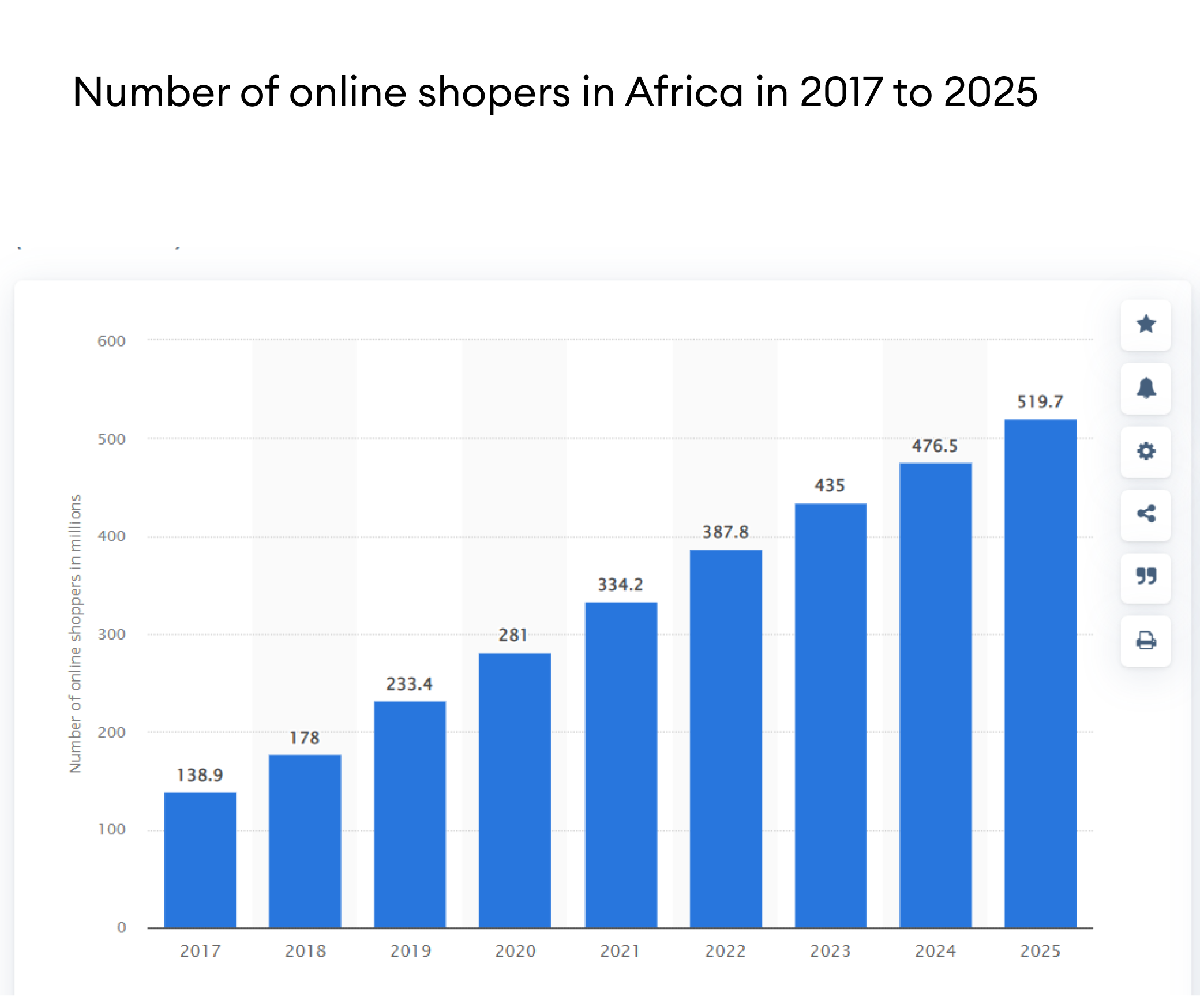
  • The Market Gap: With over 41.2 million small businesses in Nigeria and 50 million across Africa transitioning to digital transactions, there is a saturated demand for better payment infrastructure.
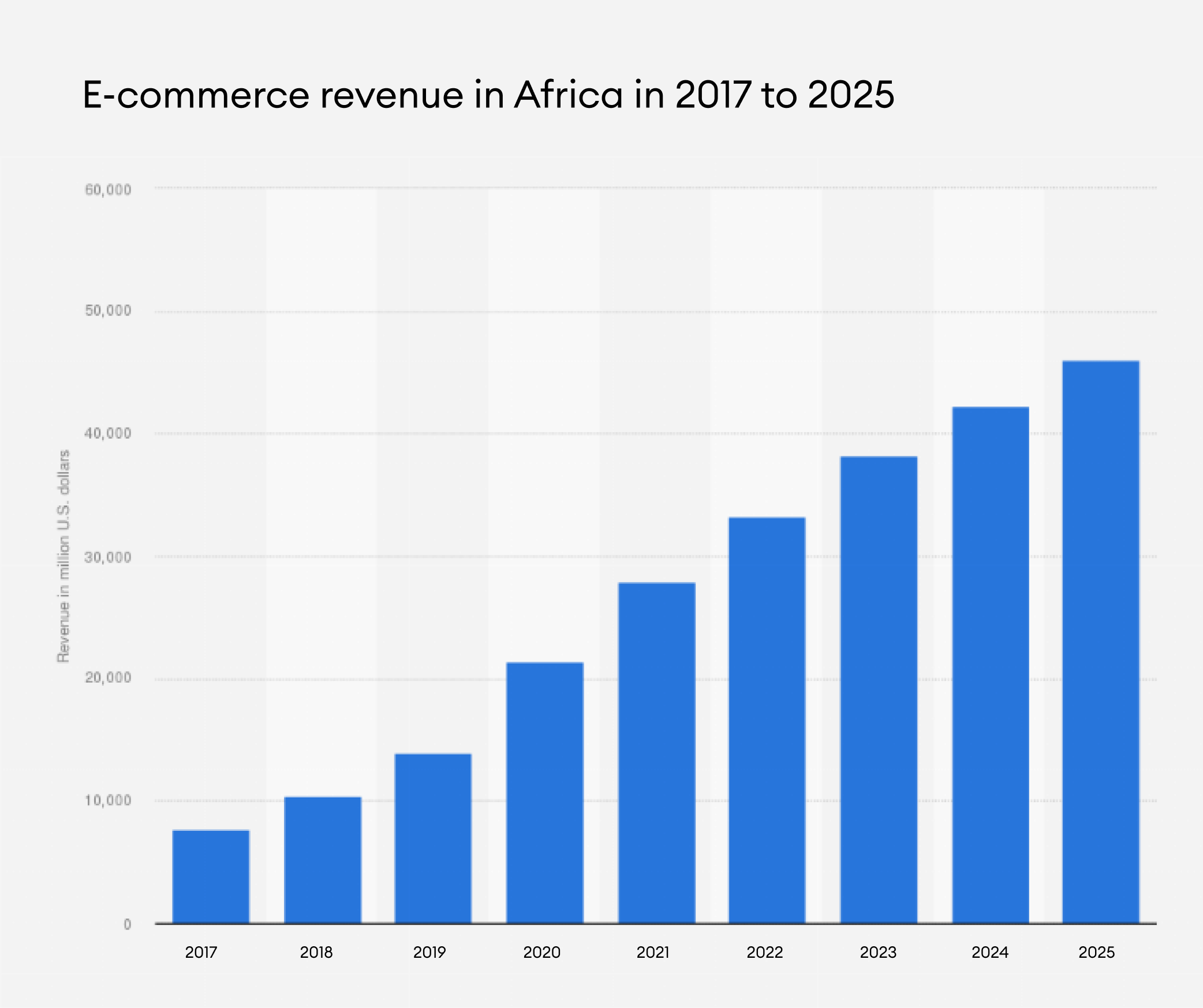
  • Revenue Potential: E-commerce revenue in Africa is projected to hit $48 billion by 2025. Capturing just 5% of these transactions through Collect, even at a low 1% transaction fee, presents a $16.5 million revenue opportunity in the first year.
  • Beyond Commerce: The opportunity extends to the booming "subscription economy." Service-based businesses like gyms and laundry services lack dedicated portals to monitor periodic payments, representing an untapped segment for our platform.

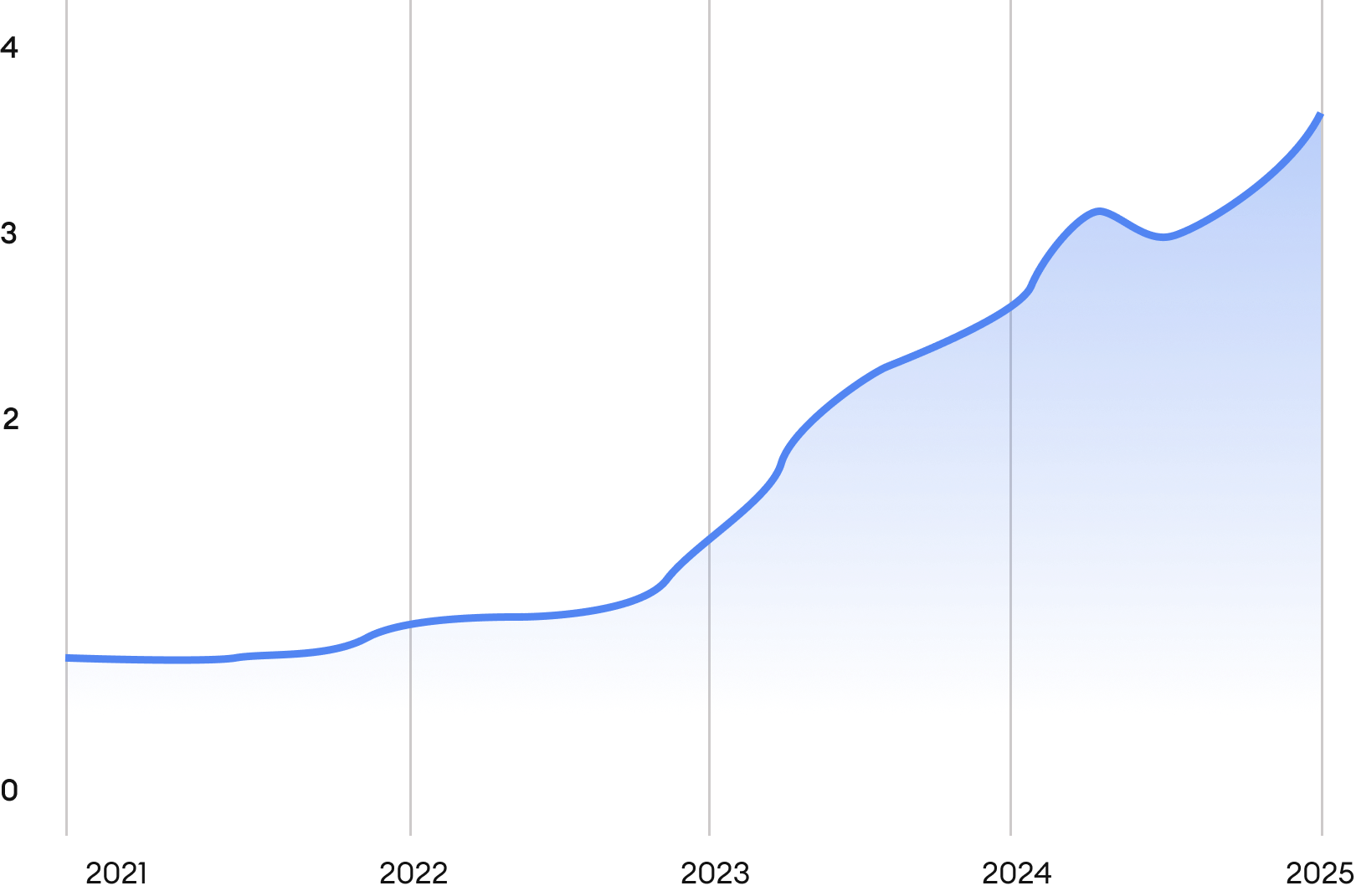
Estimated transaction volume of $8tn in 2025

With 10% of this transaction relating with the African market, the opportunities available are endless

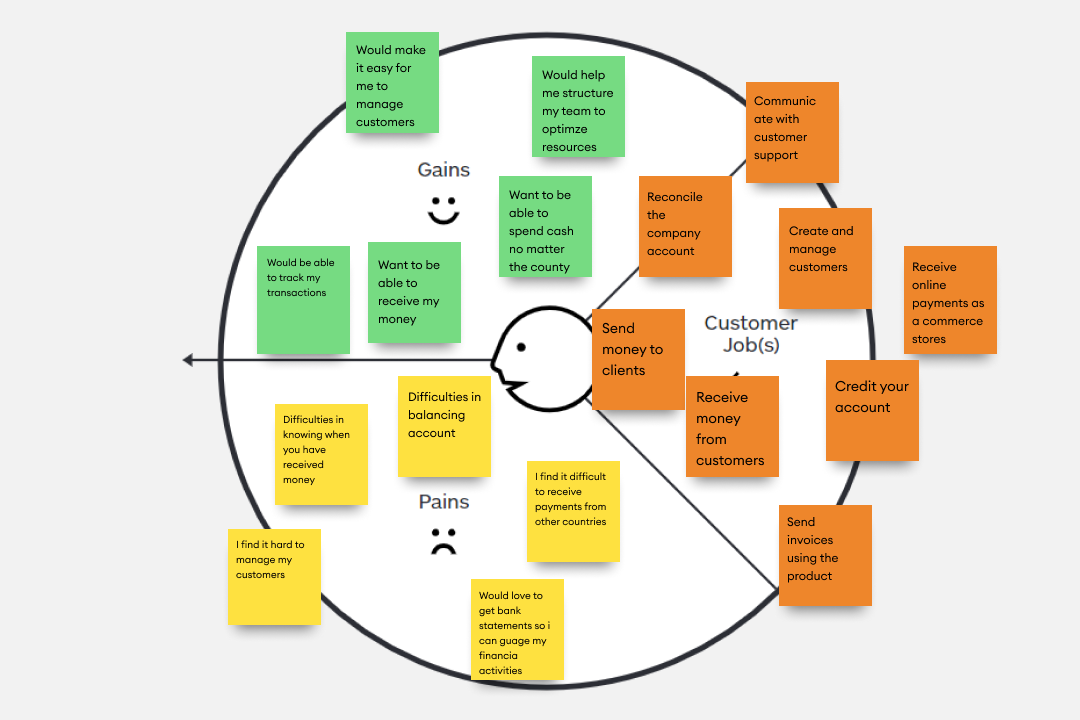
Value Proposition: The Customer Profile

This profile maps the essential "jobs to be done" for our users. By analyzing specific pains and desired gains, I positioned the product to address real-world needs and deliver measurable value.

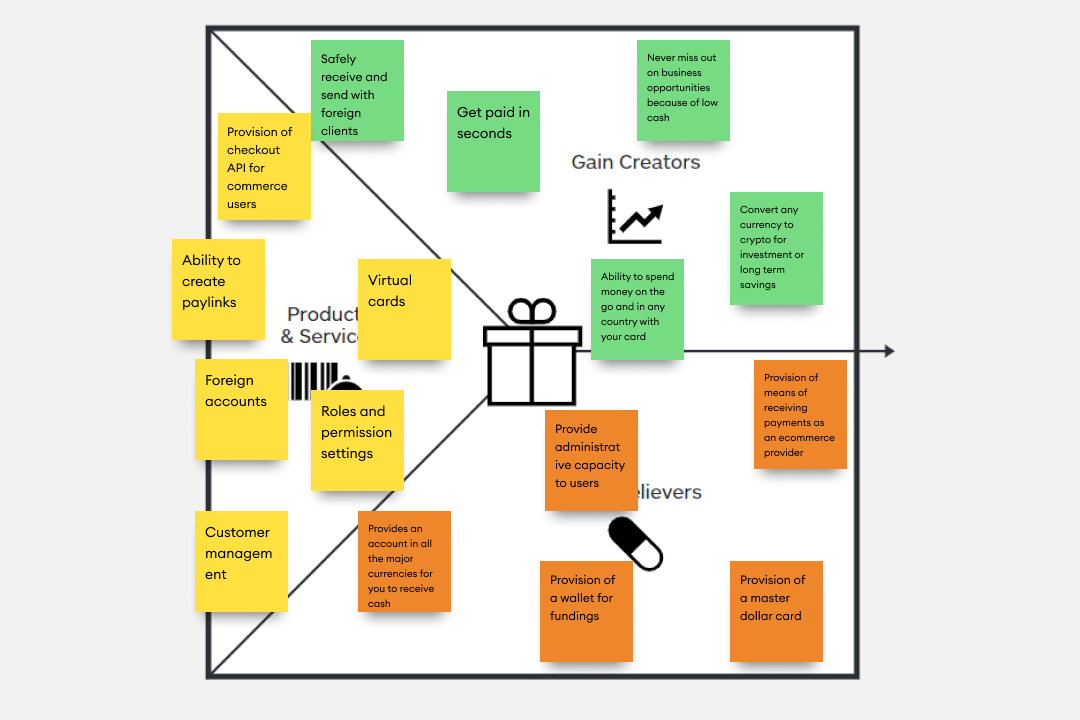
Value Proposition: Business Canvas

This framework aligns our product features with the customer profile to show exactly how we alleviate pain and create new opportunities. It serves as a blueprint for how our services transform administrative burdens into business growth.

User Stories

To ensure the platform remained user-centric, I translated my research findings into functional requirements through user stories. These stories served as a north star for the design phase, focusing on eliminating friction in payments, team management, and financial reporting.
  • Payment Flexibility: As a user, I want to receive payments via multiple methods and currencies so I can scale my business globally.
  • Automated Billing: As a user, I want to set up recurring payments and paylinks to ensure a steady and frictionless cash flow.
  • Team & Customer Management: As a user, I want to add staff with specific roles and manage customer profiles to maintain operational order and strong relationships.
  • Financial Operations: As a user, I want to fund my wallet, send invoices, and process refunds to handle the full lifecycle of business transactions.
  • Accountability: As a user, I want to reconcile my accounts in real-time to ensure my financial records are always accurate and audit-ready.

Design Execution: Translating Strategy into High-Velocity Tools

Moving beyond a collection of APIs to build a unified business command center. I focused on stripping away "transactional noise" so African enterprises can manage multi-channel liquidity with the same ease as a single bank account.

Onboarding: Getting Businesses Started, Fast.

The Problem: The original design suffered from high drop-off rates because it forced every user through a rigid flow that demanded sensitive corporate data like director signatures and officer info upfront.

The "How": I introduced a clear choice between "Business" and "Individual" paths to tailor requirements. This meant a freelancer could skip corporate-heavy hurdles like "Memorandum of Association" or "Director BVNs" that are strictly for registered companies.

My Approach: Using progressive disclosure, I grouped fields into logical steps so users only see what is relevant to their specific track. By saving progress at every stage, I ensured that if a user needs to pause to find a document, they never have to start the process over.

A Dashboard Built for Clarity

The Problem: Most dashboards act like cluttered spreadsheets, overwhelming users with raw data and making it impossible to spot critical trends or payment failures at a glance.

The How: I shifted to a "glanceable" UI, replacing dense tables with high-impact visualizations like live revenue trends and success rate rings to tell a clear story of business health.

My Approach: I prioritized speed to action by placing mission-critical metrics at the top. To support power users and accountants, I added a sidebar switcher that allows them to jump between multiple entities or add new businesses instantly without leaving their workflow.

Customer Relationship Enablement

The Problem: Most dashboards treat customers as static data points rather than relationships. For subscription-based businesses, failing to engage existing users is a costly mistake that forces a constant, expensive hunt for new leads.

The How: I integrated a CRM that enables direct email and SMS messaging from the dashboard. This centralizes communication into a single thread, ensuring businesses stay connected without jumping between multiple apps.

My Approach: I prioritized retention as a growth strategy. By automating personalized outreach for milestones like birthdays and holidays, I helped businesses focus on their "customer retro" keeping current users happy and reducing the need for high-cost acquisition.

Automated Revenue with Plans & Subscriptions

The Problem: Managing recurring services is a logistical nightmare. For many businesses, tracking who is subscribed to what and which payments have cleared feels like a manual guessing game, leading to missed revenue and broken service cycles.

The How: I built a centralized hub that gives businesses a bird’s-eye view of their entire subscription ecosystem. It provides a transparent list of every subscriber and their full payment history, ensuring the team can monitor the health of each service in real time.

My Approach: I focused on maintaining a continuous lifecycle rather than reacting to churn. By automating custom reminders at 1-week, 3-day, and 1-day intervals, I ensured subscribers are always aware of upcoming renewals, keeping them active and engaged without the business ever having to lift a finger.

Global Payments and Transfers

The Problem: Moving money between global branches or paying international vendors is often fragmented. Without a unified system, businesses struggle to track cross-border flows or maintain oversight, leading to accounting gaps.

The How: I designed a unified payment engine that enables transfers to bank accounts across Africa and beyond directly from the dashboard. This allows entities in different locations, like Abuja to New York, to initiate transactions from a single account.

My Approach: I prioritized security through custom approval chains, ensuring necessary parties sign off before funds are sent. Every transaction is automatically documented, creating a transparent audit trail that simplifies global accounting.

Collaborative User Management

The Problem: Managing financial data is a security risk when access is "all or nothing". Both small teams and global corporations struggle to delegate tasks without exposing sensitive information or creating bottlenecks.

The How: I built a granular permission system that allows businesses to scale safely. Organizations can assign specific roles like Accountants or Ops, ensuring team members only access data relevant to their branch or function.

My Approach: I focused on precision and control. By allowing for custom roles and specific action-based permissions, I ensured the dashboard remains a secure, optimized workspace for every user, regardless of team size.

Frictionless Payment Links

The Problem: Manually generating invoices for every transaction is a time sink. Traditional billing lacks the flexibility customers expect, often forcing them into rigid payment methods that create friction at checkout.

The How: I designed a versatile Payment Link system that acts as a reusable portal. Businesses can share a single link that supports multiple payment methods, allowing customers to pay via their preferred channel, saving time and reducing administrative stress.

My Approach: I prioritized adaptability for B2B and eCommerce. The system allows businesses to set fixed amounts or let customers define the value, making it perfect for both service-based billing and integrated eCommerce checkout flows.

Account Reconciliation & Balancing

The Problem: Fragmented financial data is a silent killer for growth. When digital and offline payments live in separate silos, businesses cannot see their true balance, making long-term planning nearly impossible.

The How: I developed a reconciliation engine that links external bank accounts directly to the platform. This automatically captures and cross-references every digital movement against internal records to ensure accuracy.

My Approach: I created an all-encompassing source of truth. By providing a dedicated path to register cash payments alongside digital transactions, I ensured the system remains scalable and audit-ready, regardless of how a business collects its revenue.

Mobile Wasn’t Optional

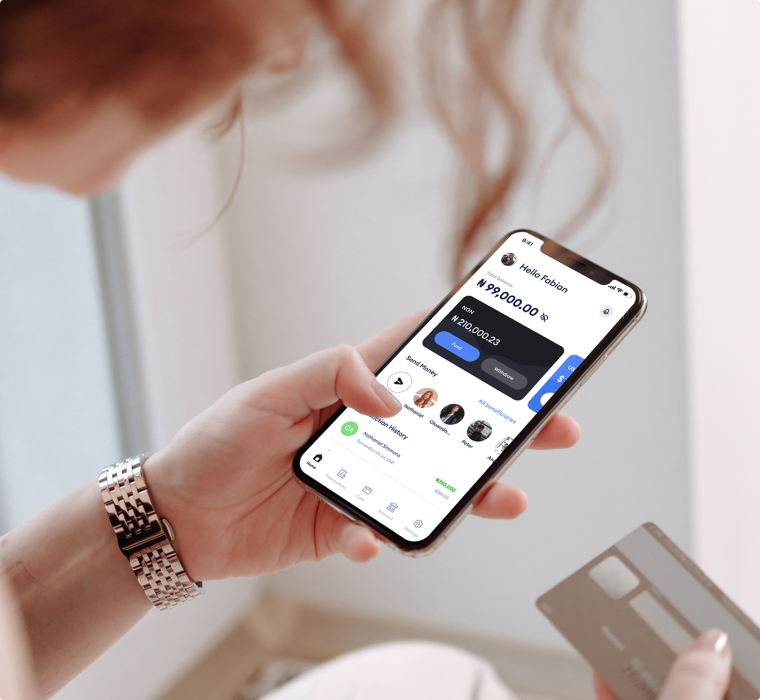
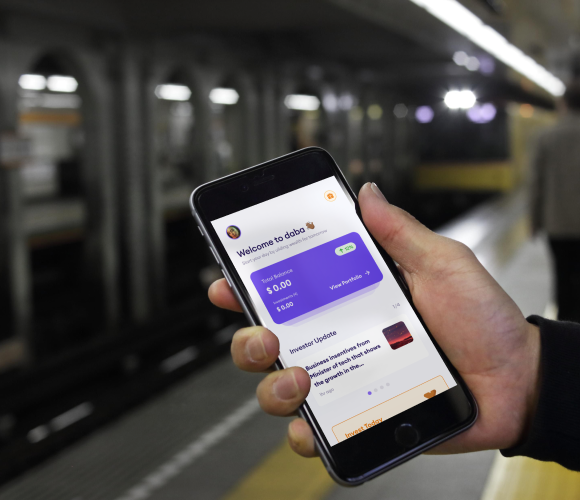
Over 60% of target users are mobile-first, making the smartphone the primary entry point for managing their business. I didn't just aim for parity; I designed for engagement, ensuring that checking balances, generating payment QR codes, and monitoring live revenue charts felt native and effortless on the go. By prioritizing high-frequency actions and glanceable data, the mobile experience became a retention tool that allows business owners to maintain full transparency and control without being tied to a desk.

Impact & Business Results

  • 80% Lower Acquisition Effort: Automated retention tools and "customer retro" insights allowed businesses to focus on keeping current users happy rather than expensive lead hunting.
  • 60% Higher Engagement: Optimizing for mobile utility turned the dashboard into the primary daily tool for the majority of the user base.
  • Zero-Gap Accounting: Digital bank syncing paired with cash transaction tracking created a 100% transparent audit trail for flawless reconciliation.

Reflections

Transparency Drives Trust: Clear financial visibility and automated reminders reduce friction between businesses and their subscribers.

Efficiency Over Complexity: Shifting from manual tracking to automated hubs allows owners to focus on strategic growth rather than administrative tasks.

Security at Scale: Granular permissions ensure that global organizations can delegate tasks to hundreds of members without compromising sensitive data.

Other Works

Hit me up let's create something, fun, magical, a
digital solutions that would truly relate to the users and take
the business to the next level

LETS TALK - LETS BUILD LETS TALK - LETS BUILD LETS TALK - LETS BUILD